Start with the moment
A desk day, a first visit, a gift, or post-exercise soreness is more useful than a vague massage label.
The cinematic field guide
Search 65 substantial guides across first visits, finding care, self and partner techniques, safety, accessibility, careers, and professional practice.
Browse all guides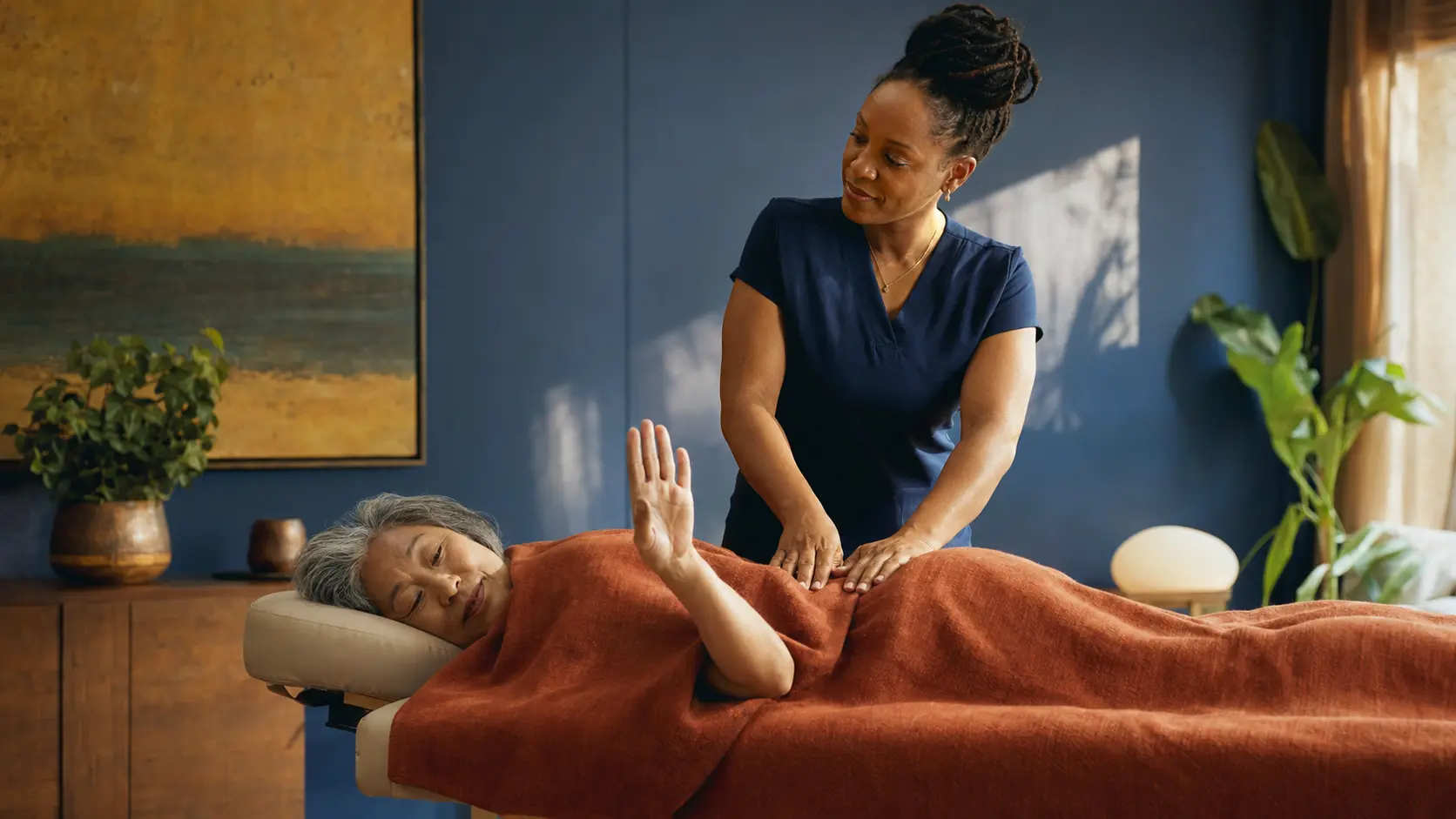
A desk day, a first visit, a gift, or post-exercise soreness is more useful than a vague massage label.
Clothing, pressure, position, sound, scent, touch, and stopping remain yours to change.
These guides support planning. They do not diagnose symptoms or replace medical evaluation.
Considering the profession?
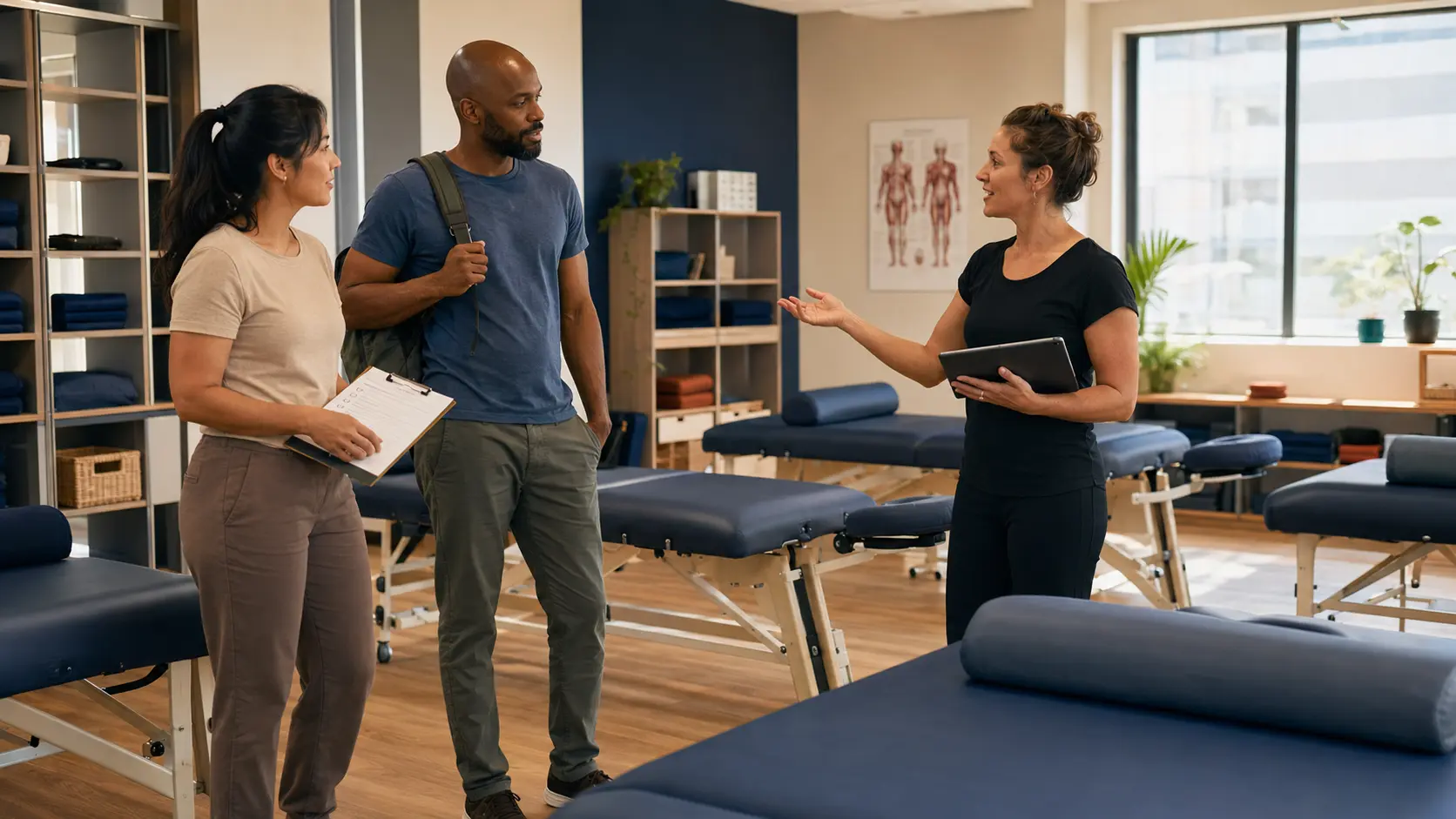
Explore career fit, licensing, school selection, the MBLEx, complete education cost, work settings, income reality, boundaries, body mechanics, continuing education, ethical marketing, and the first job.
Explore massage careersBody-area atlas
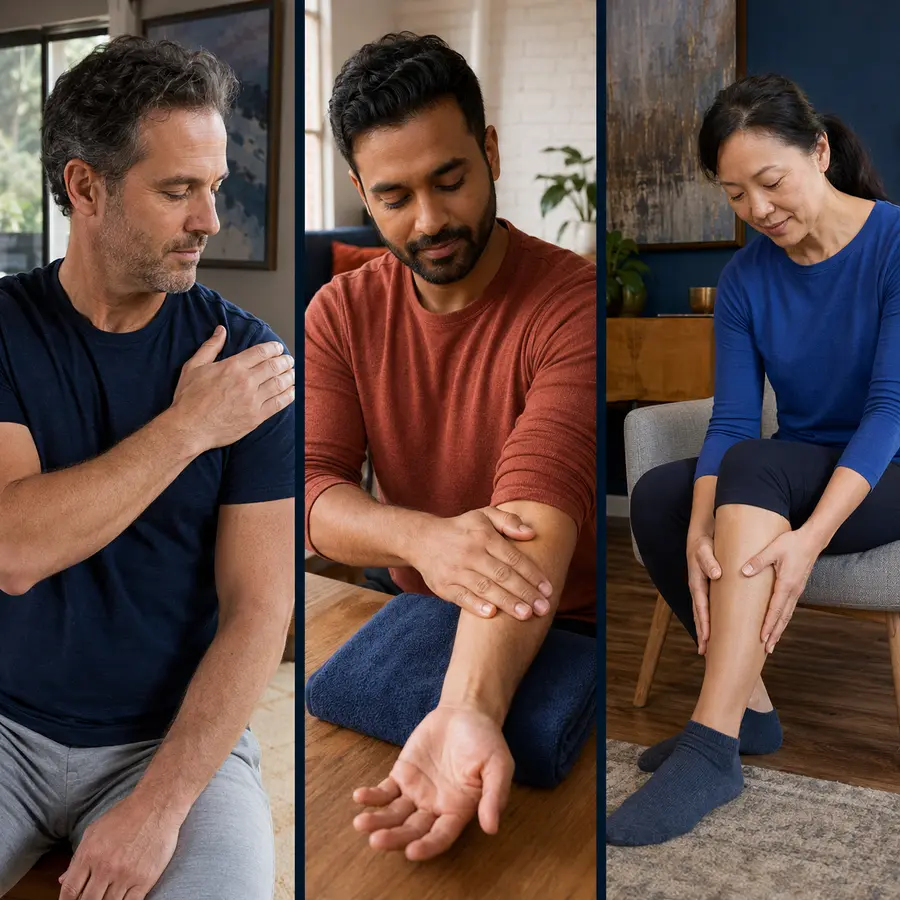
Explore common lower-risk starting points. The visual map is a navigation aid, not an anatomy chart or pain diagnosis.
Choose an area
Begin with movement and broad, light contact. Avoid pressing into the front or side of the neck.
See the safe starting point →This explorer does not diagnose pain or injury. Stop for sharp, burning, electric, numb, or worsening sensations.
All cinematic guides
Each guide ends in a practical next step: a routine, a booking question, a communication line, or a reason to pause.
Showing 65 guides
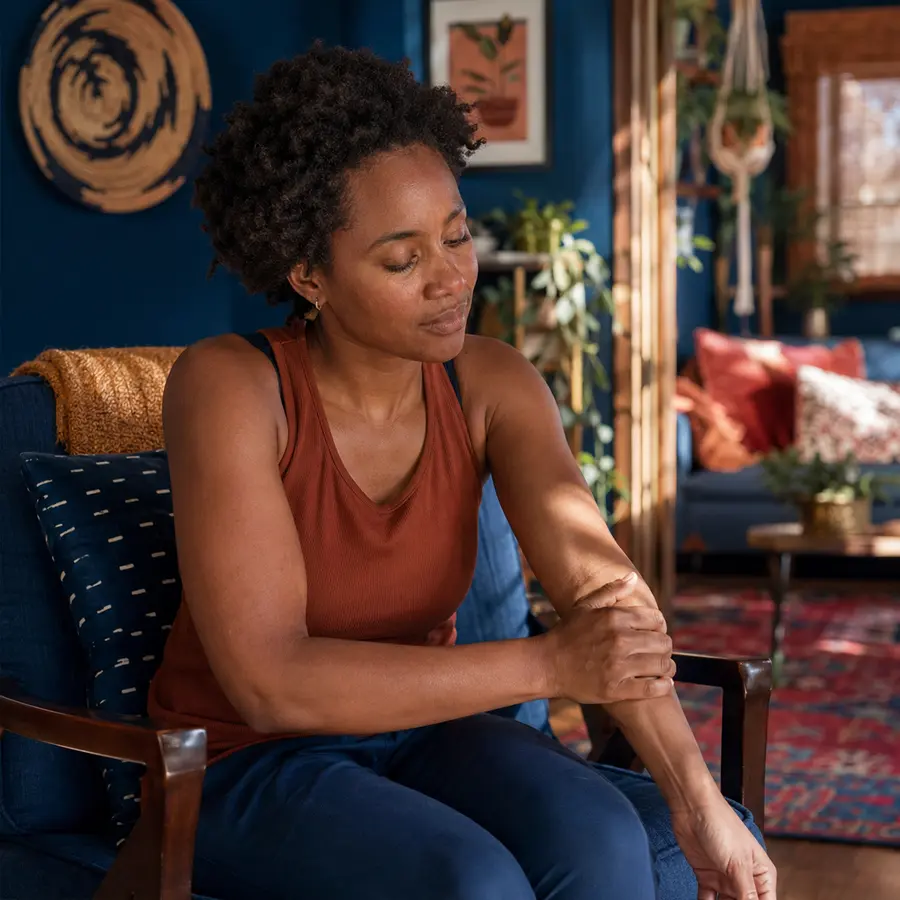
Choose a stable position, a lower-risk body area, and an intensity you can reduce immediately. A useful routine never depends on forcing a tender spot.
Open guide
A simple relaxation massage works better when permission, pressure, position, and stopping are easy to talk about.
Open guide
Verify legal credentials where regulation applies, then look for the practical signs that a provider can adapt to your goals and boundaries.
Open guide
Start with movement, then add a little pressure to hands, forearms, and shoulders without trying to force anything to release.
Open guide
Ordinary post-exercise soreness is different from an acute injury. Build a low-pressure plan around how you feel today, not a promise to speed recovery.
Open guide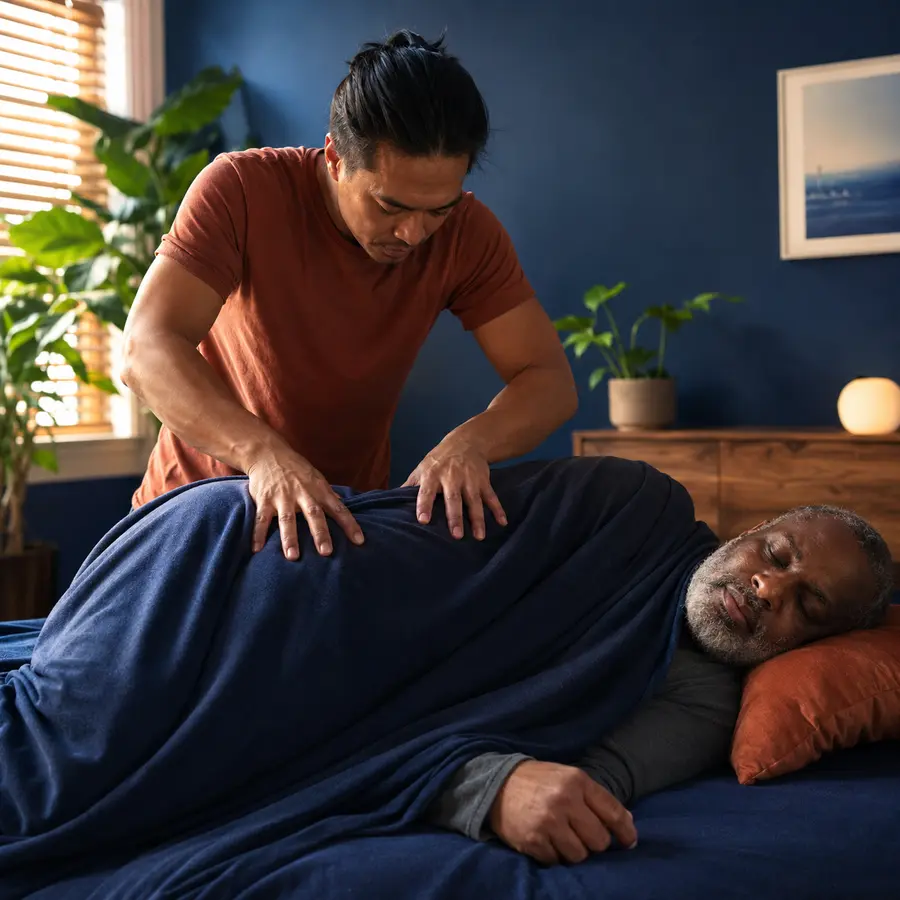
Pressure is a conversation, not a personality type. Learn language that helps another person change what they are doing right now.
Open guide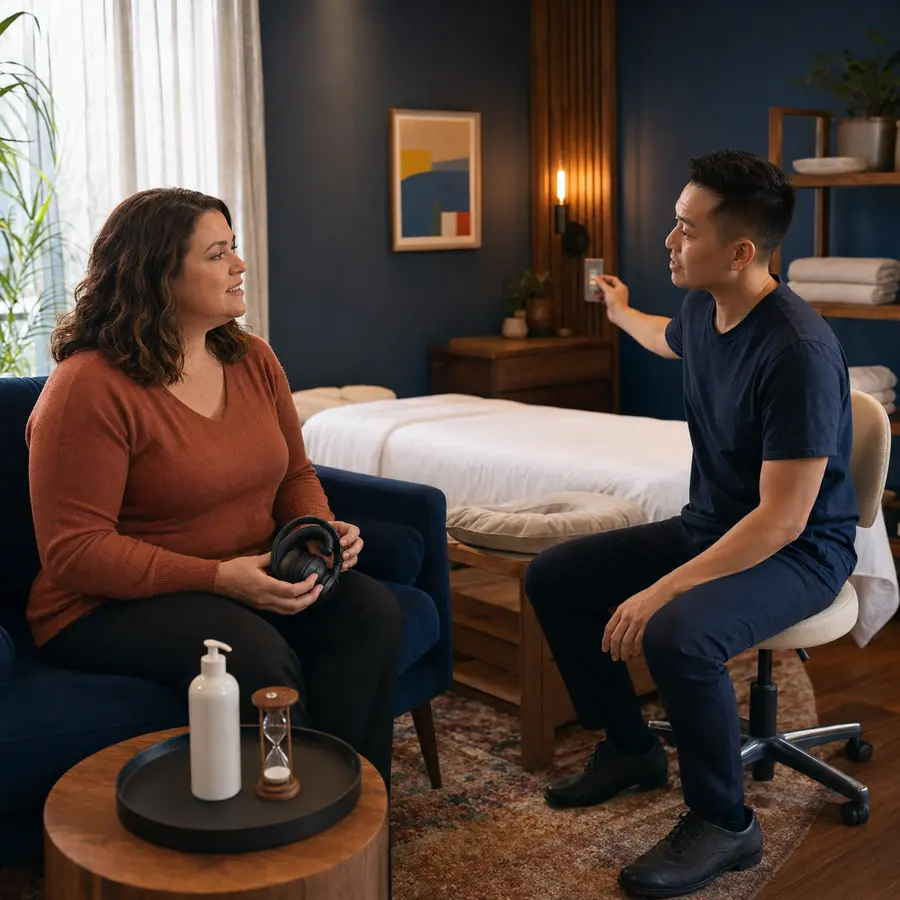
A quiet room is not automatically a comfortable room. Plan for sound, scent, temperature, texture, light, talking, and transitions.
Open guide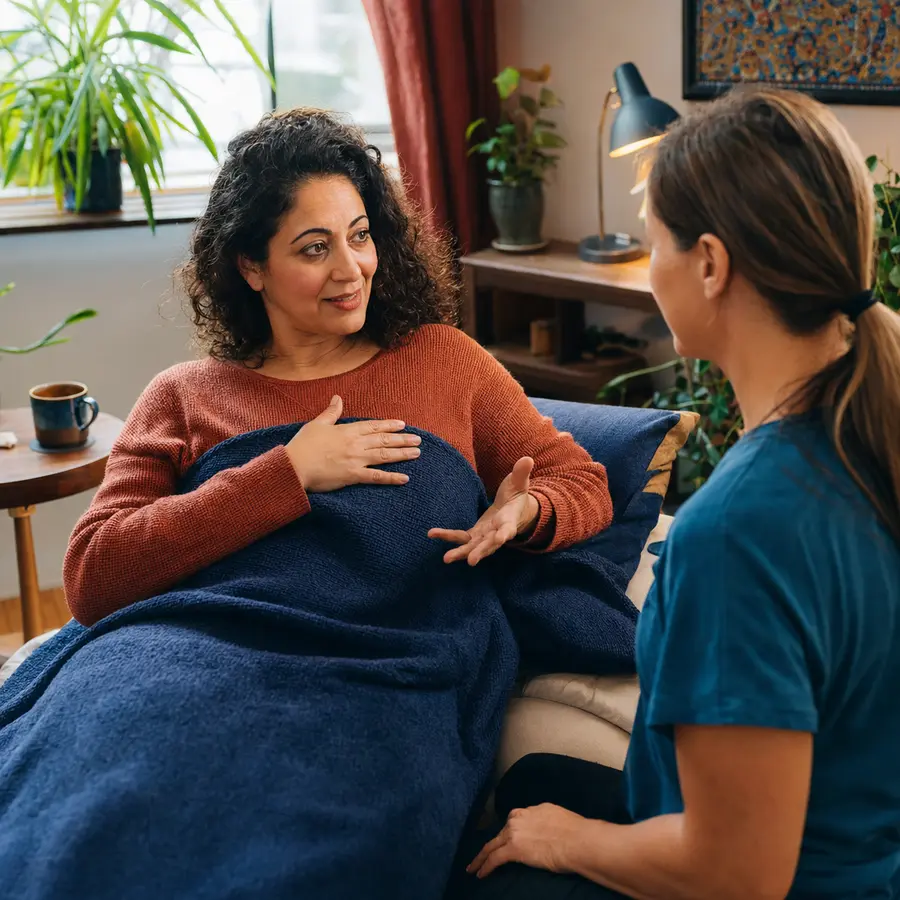
A good massage gift preserves choice. It does not assume that touch, a particular provider, or a particular body treatment will feel welcome.
Open guide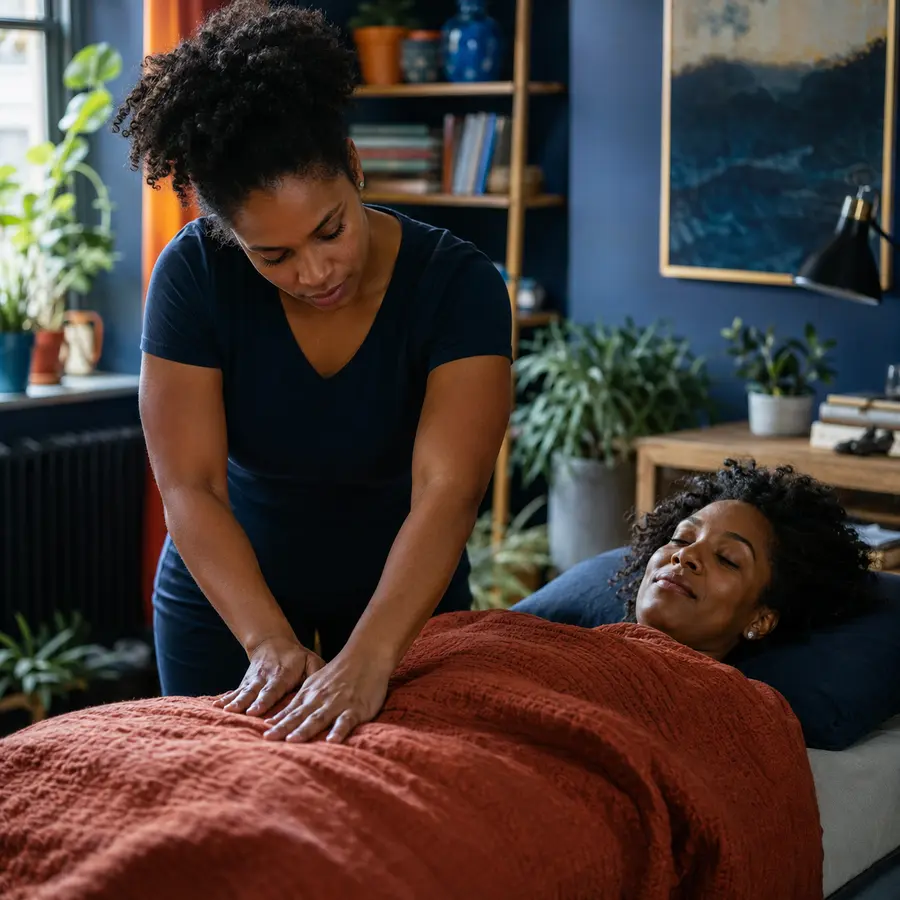
A visual field guide to the claims that make massage sound more certain, dramatic, or medical than the evidence supports.
Open guide
Mobile massage can improve access and convenience, but the provider, price, setup, and safety plan should be verifiable before someone arrives.
Open guide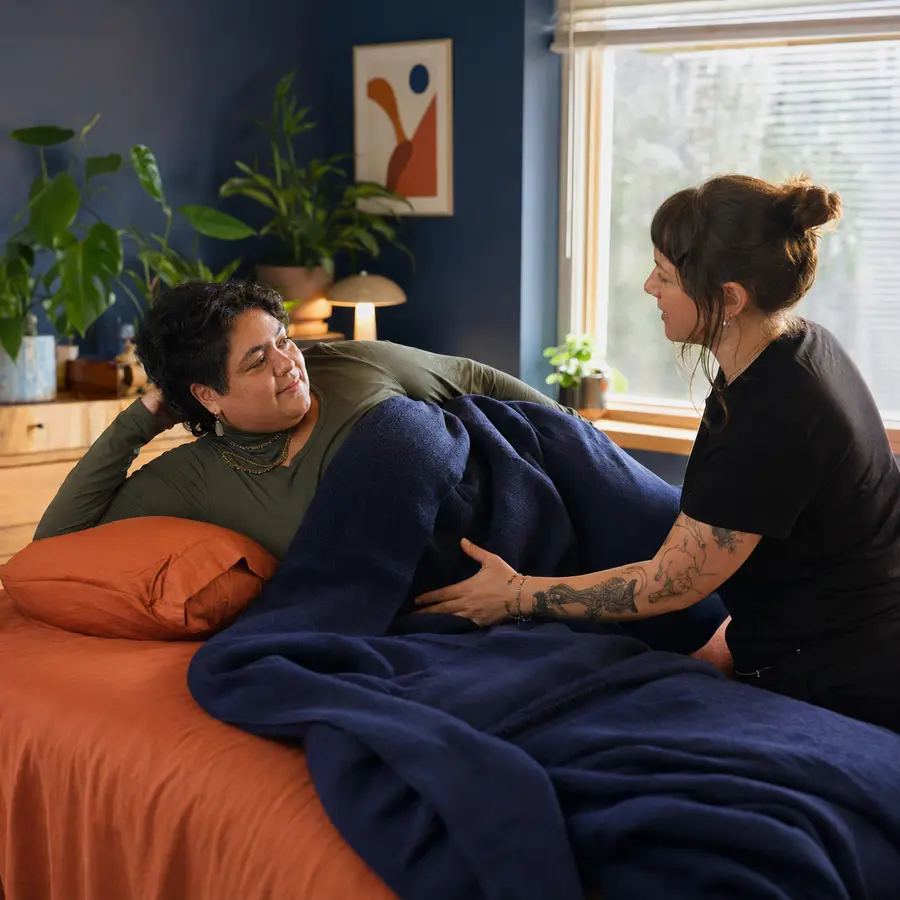
Pregnancy changes positioning, comfort, and the questions worth asking. Individual complications or symptoms may require guidance from your prenatal clinician first.
Open guide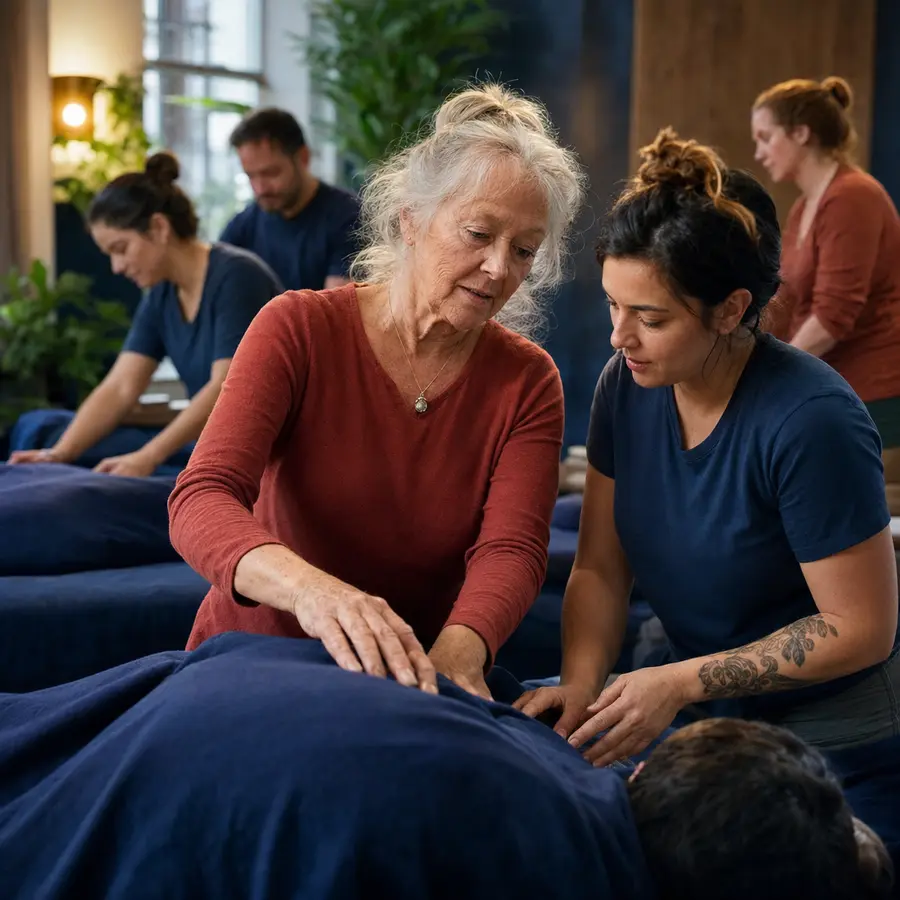
The work can be meaningful, flexible, physical, personal, and financially uneven at the same time. Compare the full job with the version shown in school advertising.
Open guide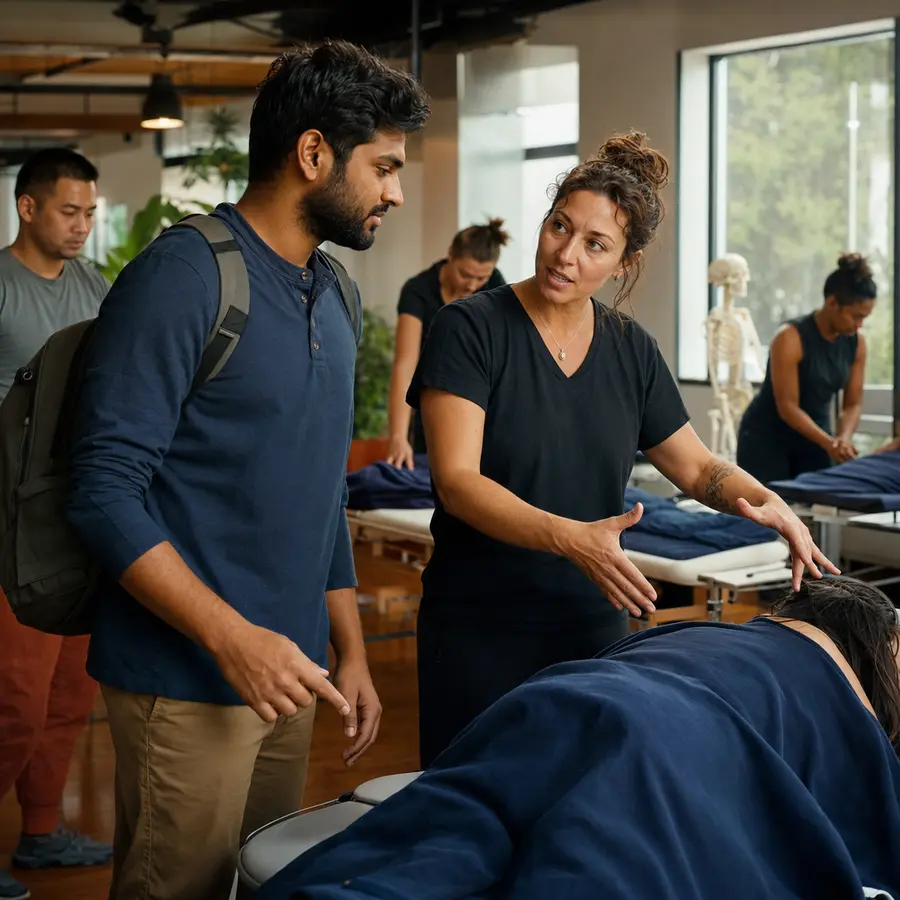
Expect anatomy, pathology, ethics, communication, repeated hands-on practice, feedback, and supervised work with different bodies and boundaries.
Open guide
Education hours, examinations, fees, renewals, continuing education, titles, and local rules vary. A school cannot answer this question for every jurisdiction.
Open guide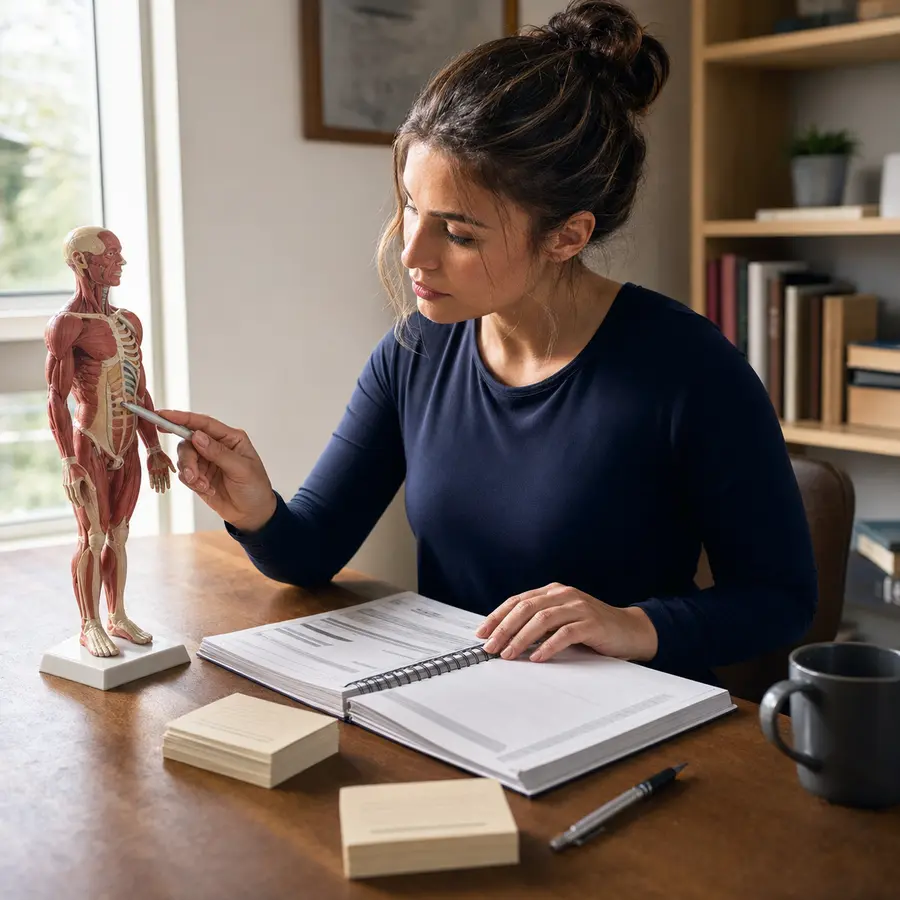
Passing an entry examination and receiving legal authority to practice are related steps, but they are not the same thing.
Open guide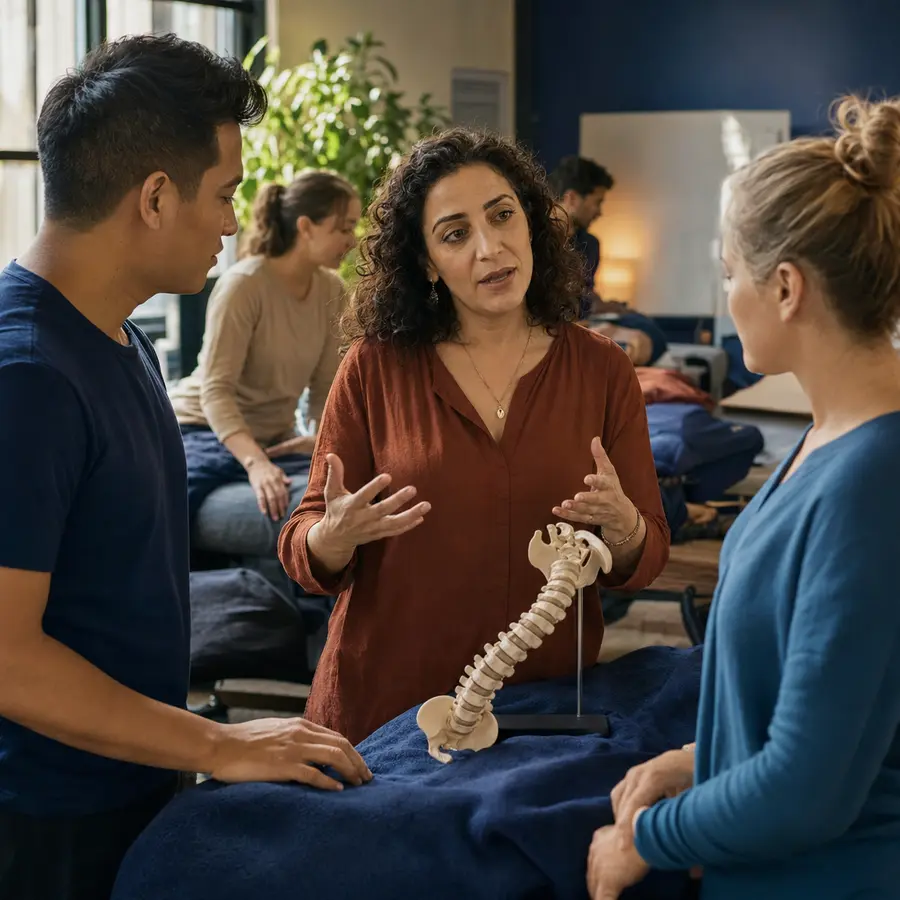
Licensing eligibility comes first. Then compare complete cost, schedule, instructors, practical clinic, outcomes, student support, and the way the school handles boundaries.
Open guide
Tuition is only one line. Supplies, exams, licensing, transportation, missed work, childcare, and financing can change the decision.
Open guide
Pay can be hourly, per session, commission-based, tipped, rented, mobile, or fully self-employed. Compare take-home assumptions with the time no client sees.
Open guide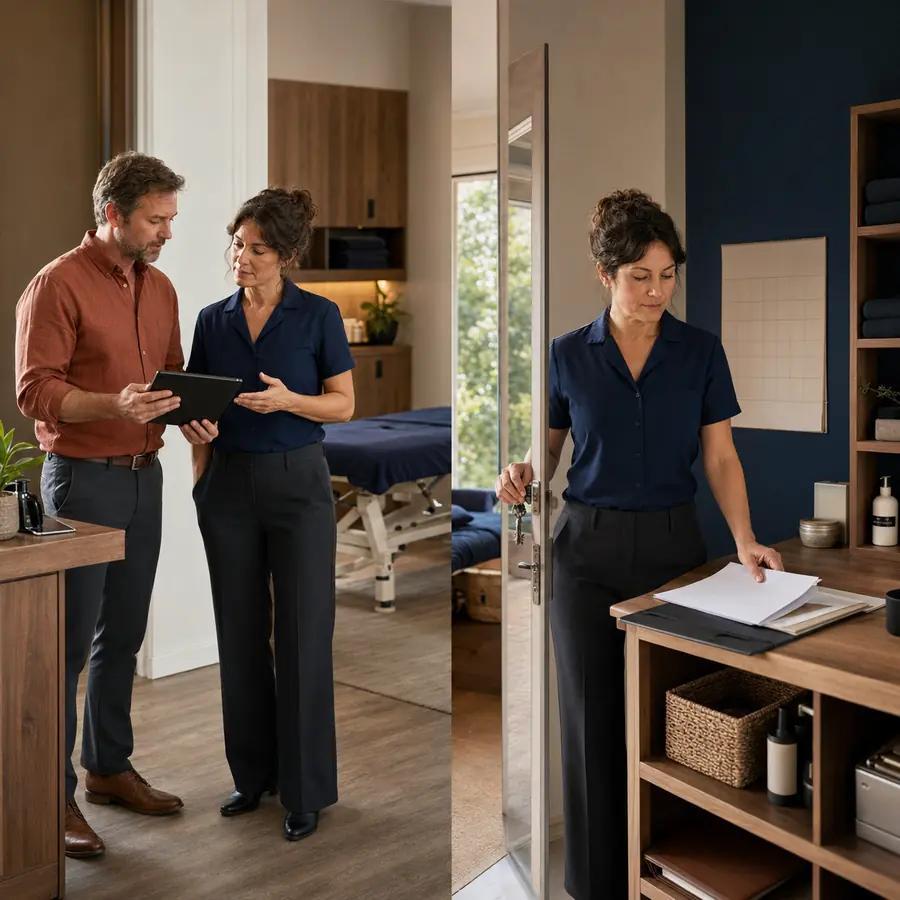
The same hands-on service can sit inside very different schedules, risks, responsibilities, and income structures.
Open guide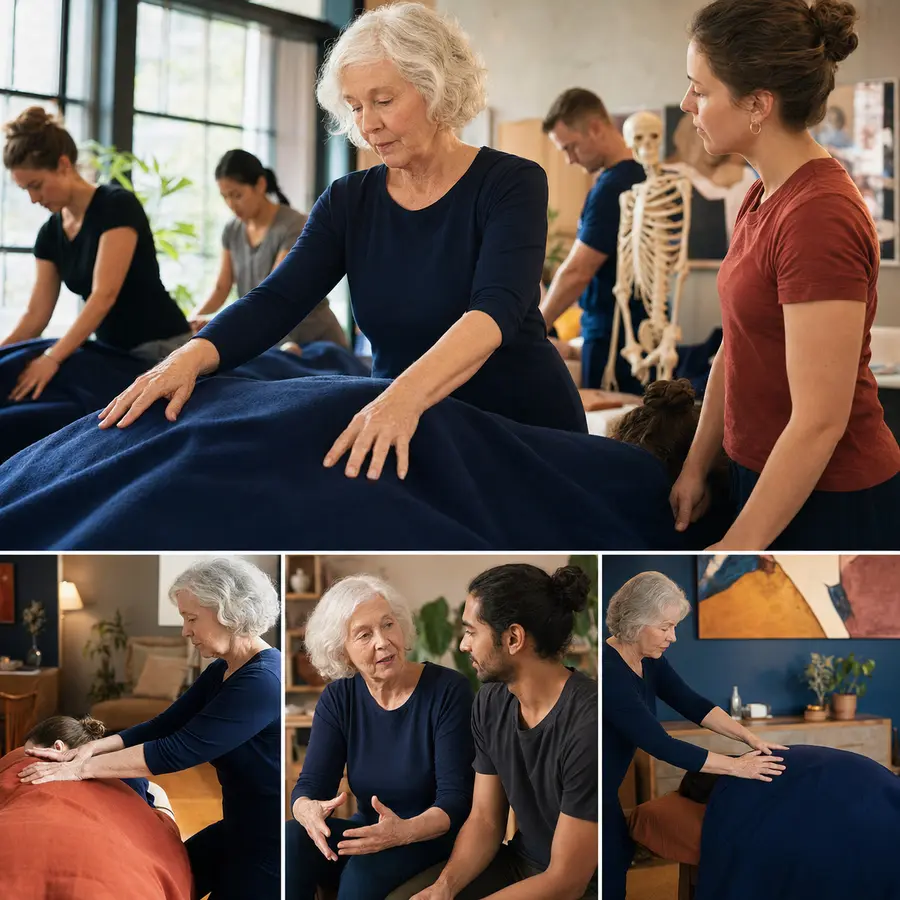
Spas, healthcare offices, sports environments, hotels, mobile services, events, and independent practices create different versions of the profession.
Open guide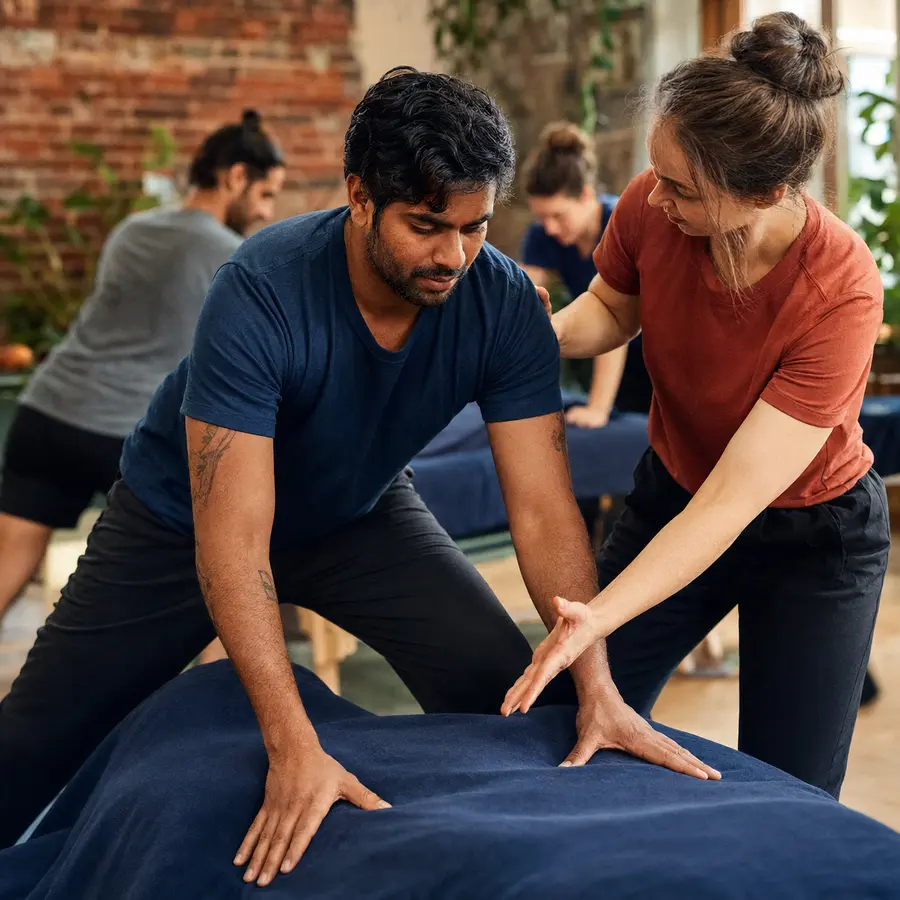
Sustainable technique is not a single perfect posture. It combines table height, stance, tool choice, pacing, breaks, workload, and speaking up early.
Open guide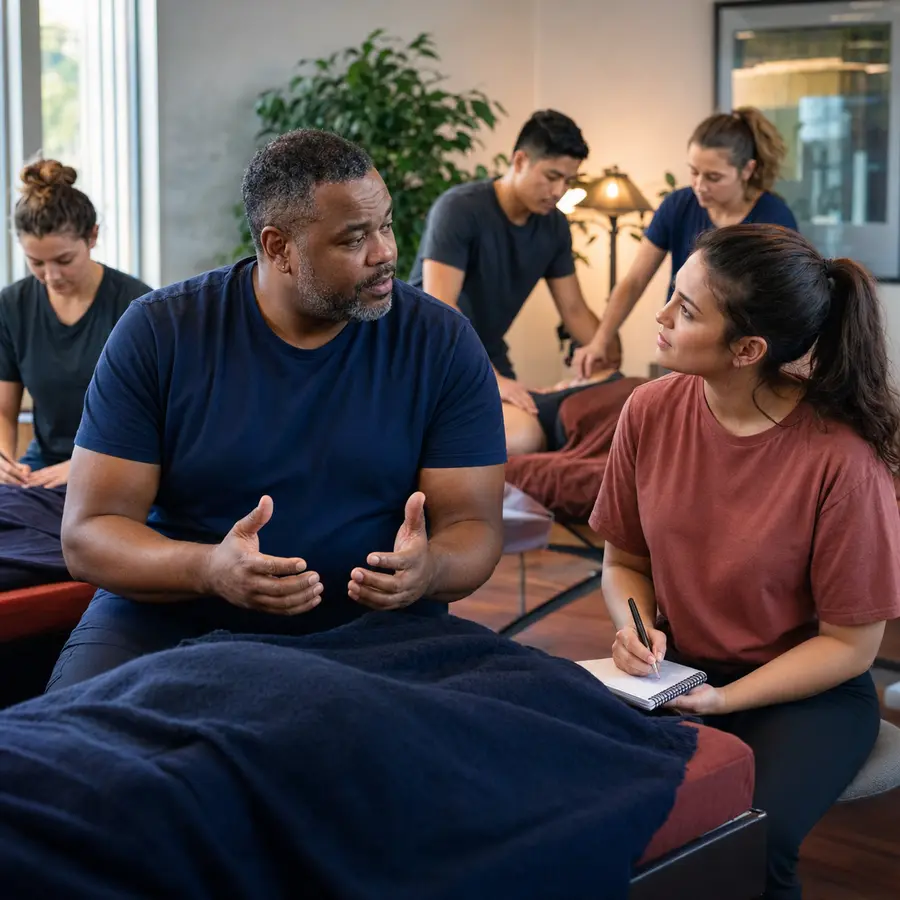
Consent, draping, communication, documentation, scope, dual relationships, privacy, and the right to stop are core professional skills, not soft extras.
Open guide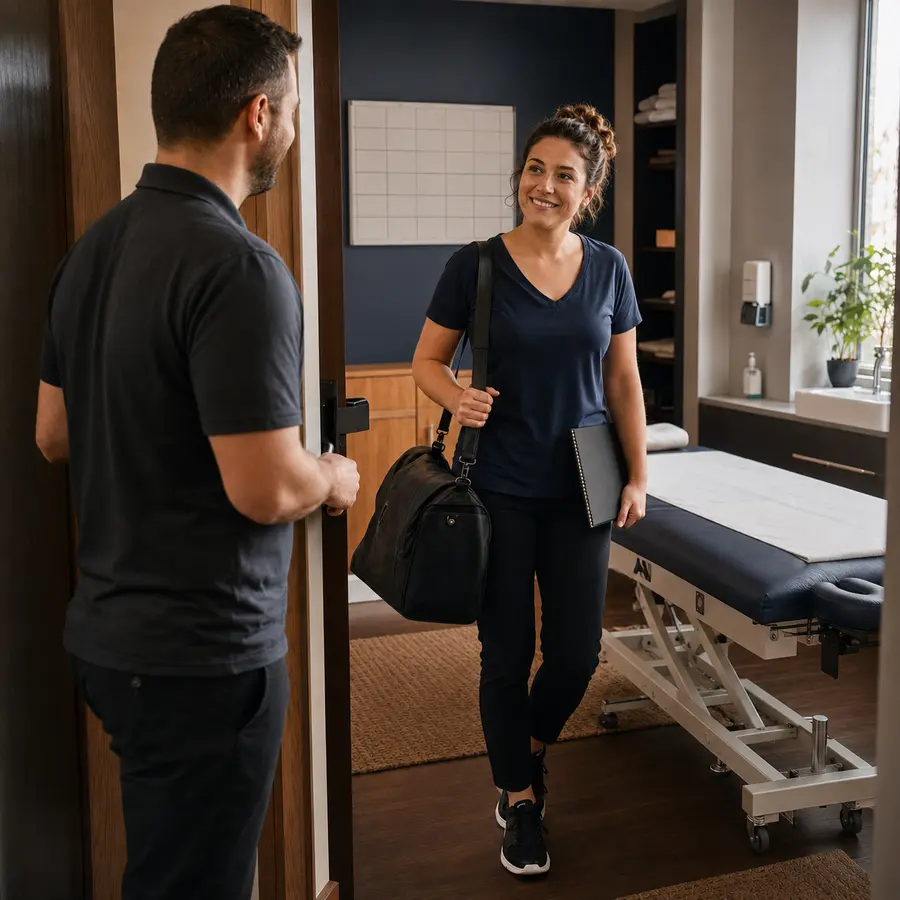
The best first offer is not always the highest advertised session price. Compare workload, supervision, pay method, boundaries, schedule control, supplies, and room to learn.
Open guide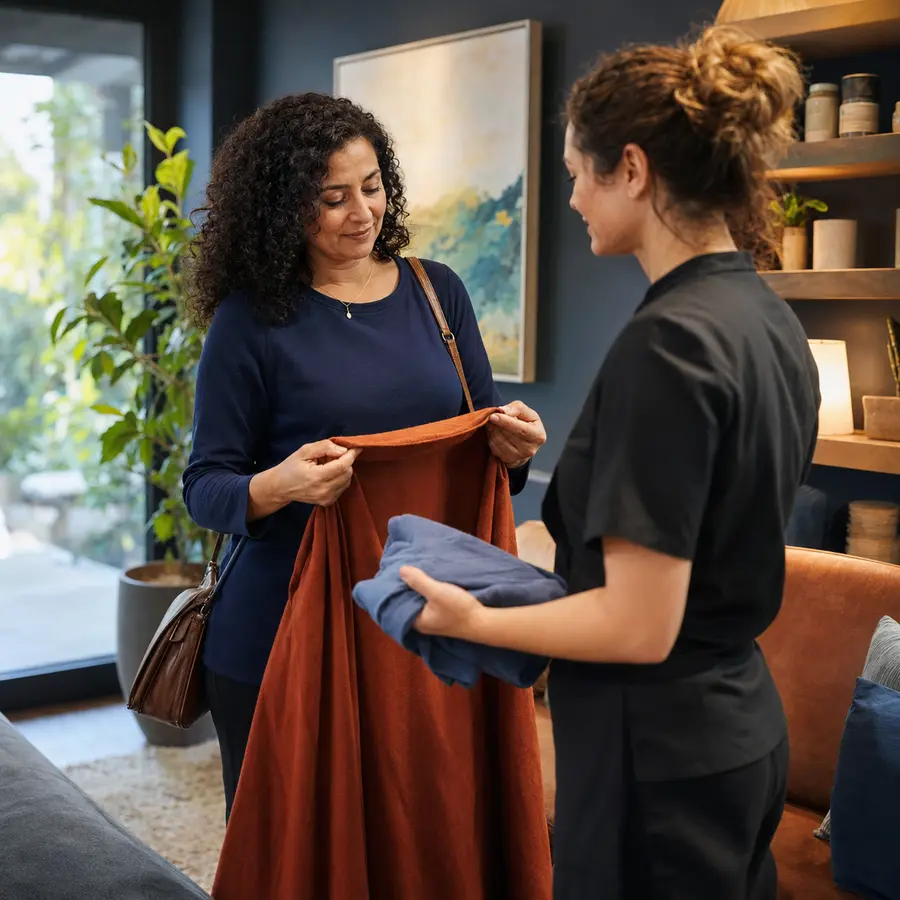
Wear whatever makes arrival and dressing easy. What stays on during the session is a separate choice that remains yours.
Open guide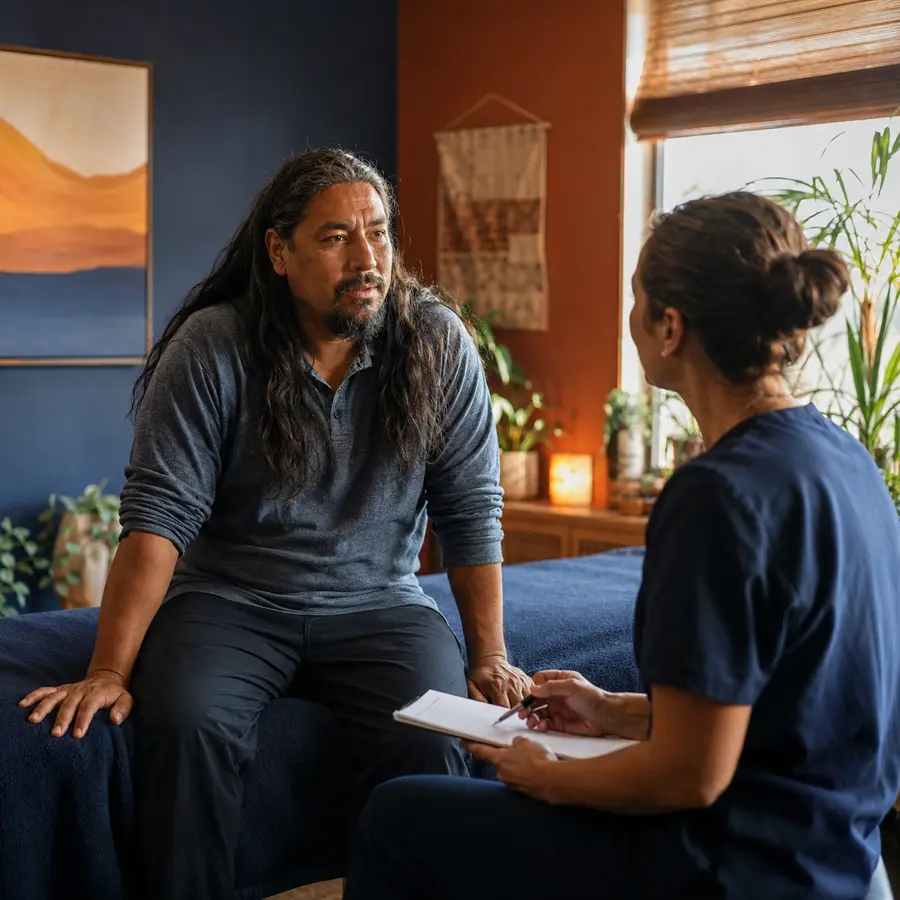
No. You may keep on as much clothing as you want, and a professional session should be adapted to that decision.
Open guide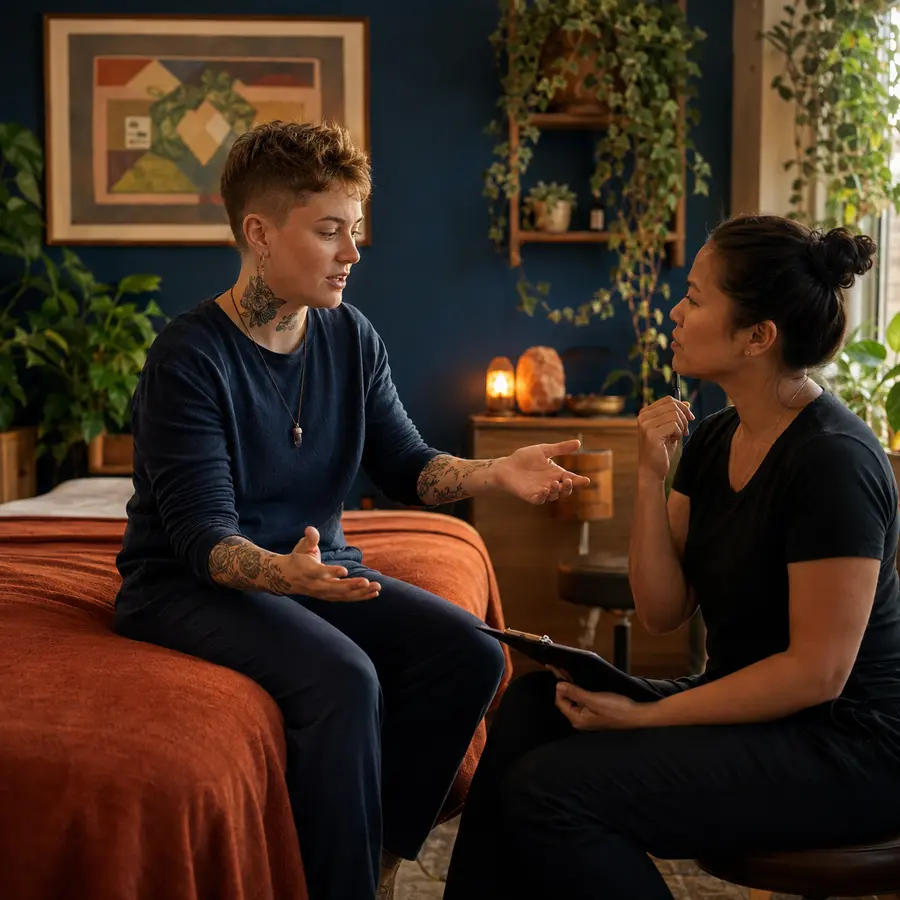
Some clients remove a bra for easier back work, while others keep it on. Neither choice is a problem a professional should make awkward.
Open guide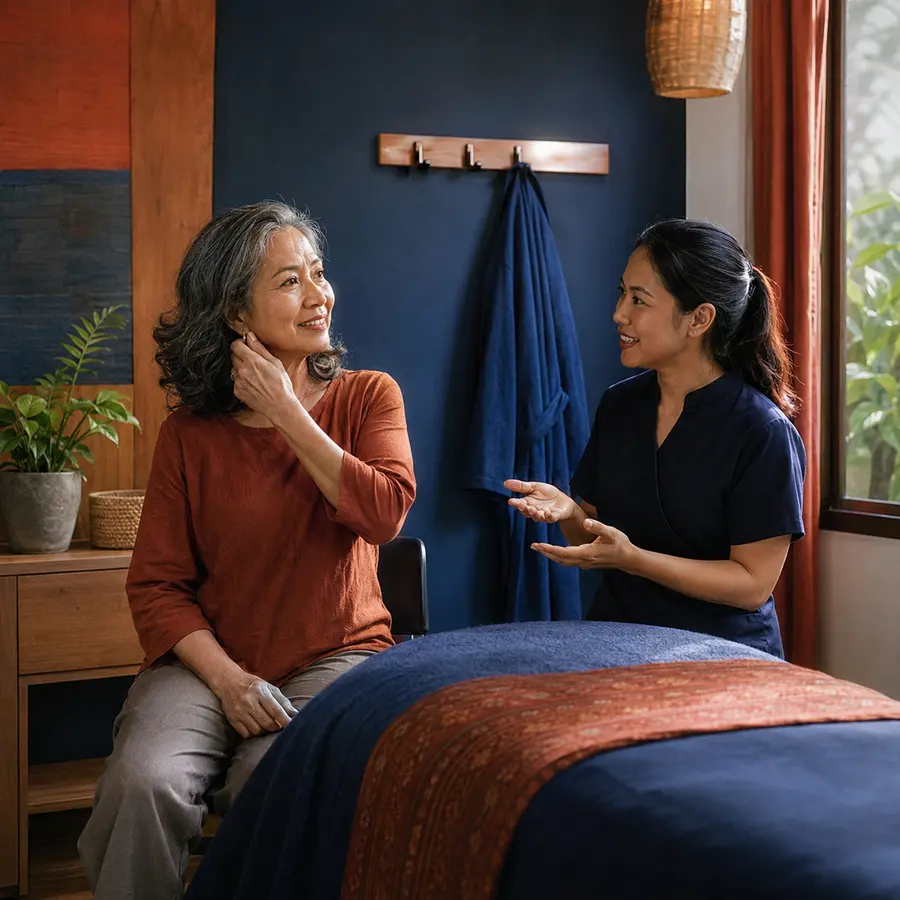
The therapist should explain the setup, leave the room, and wait until you are covered before returning.
Open guide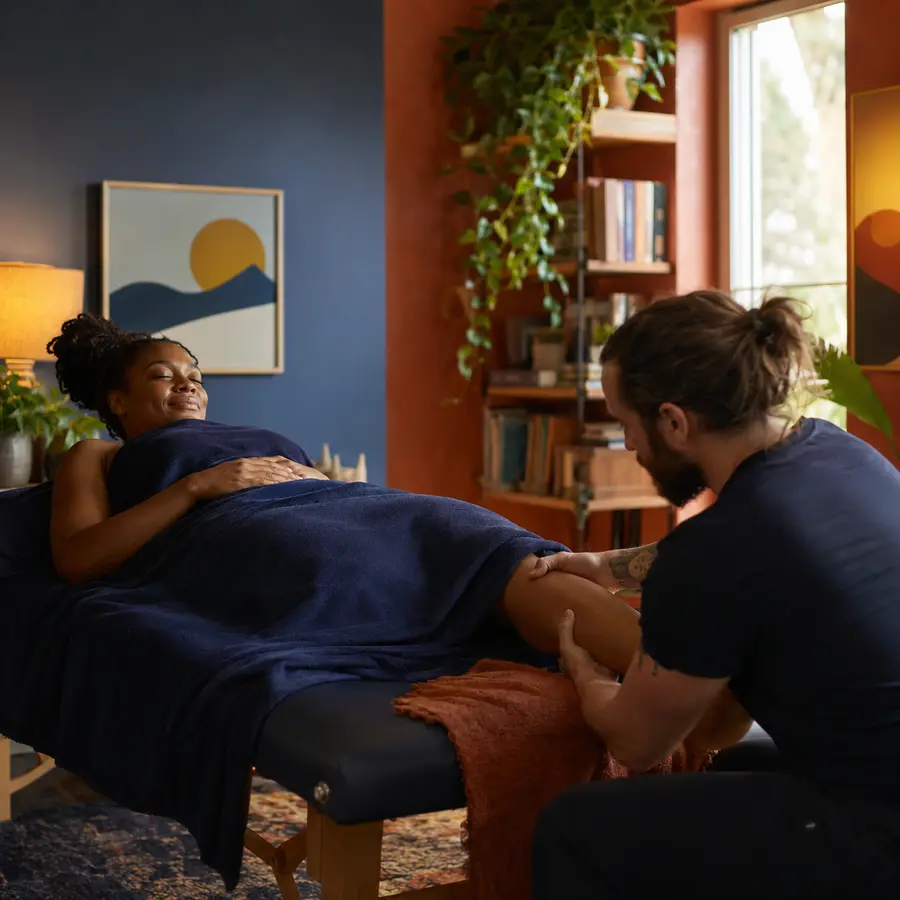
Draping keeps the body covered while allowing access only to the area being worked. It should feel secure, predictable, and easy to change.
Open guide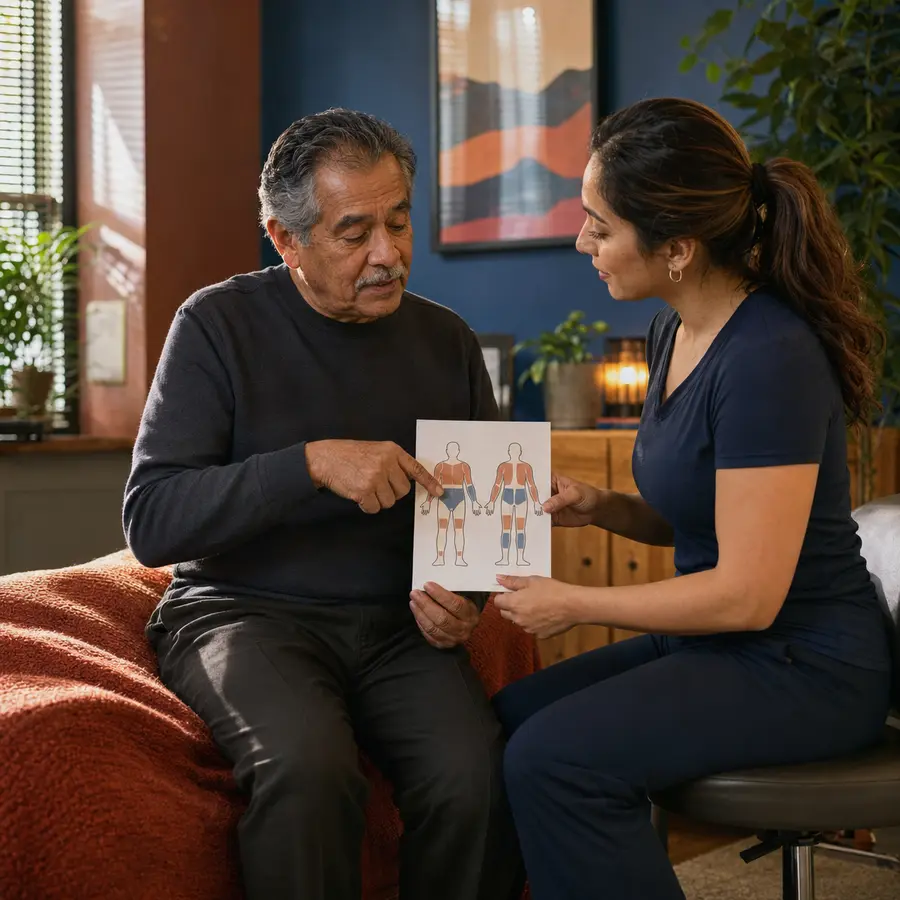
The answer depends on the agreed plan, the technique, local rules, and your choices. Unrelated and intimate areas should remain covered.
Open guide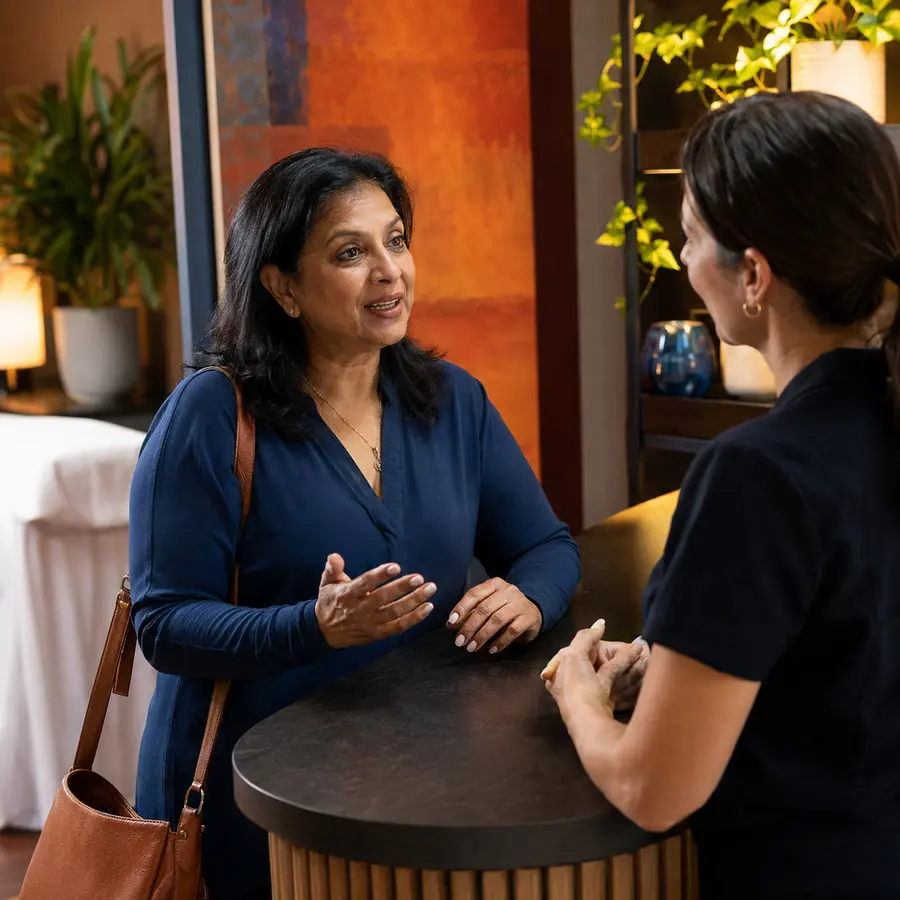
Yes. A therapist-gender request can be a practical comfort or cultural preference, although availability may affect timing.
Open guide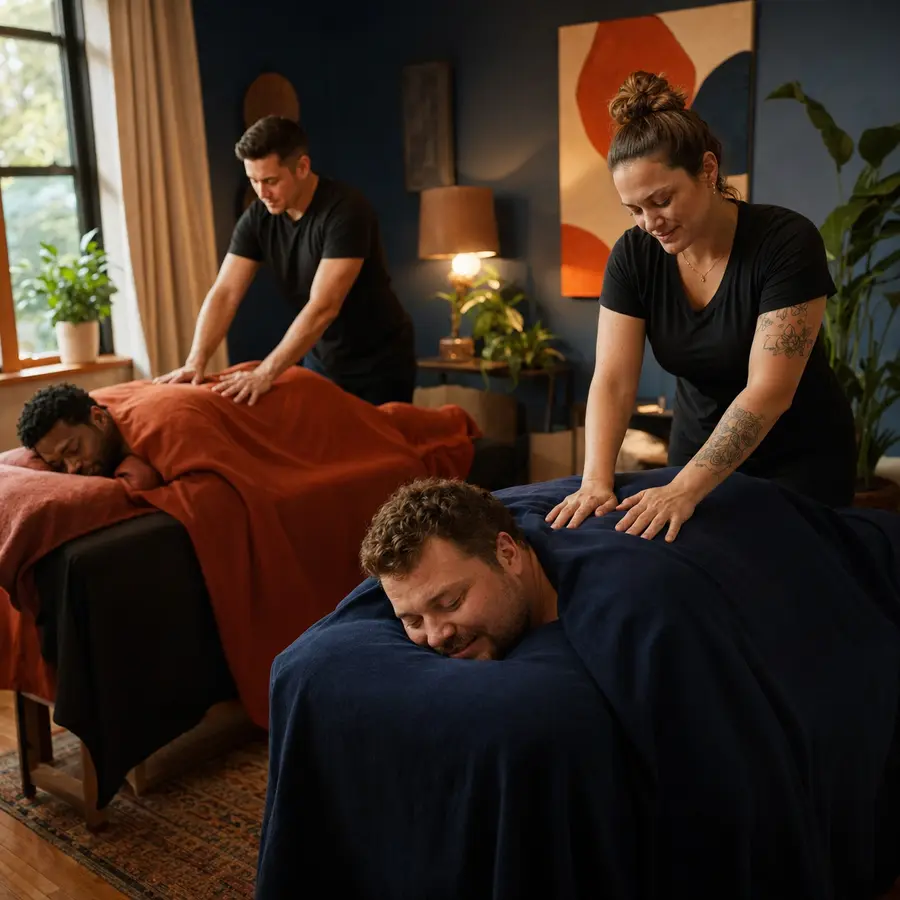
Sharing the room can reduce uncertainty for some people, but it can also make it harder to speak privately or change the plan.
Open guide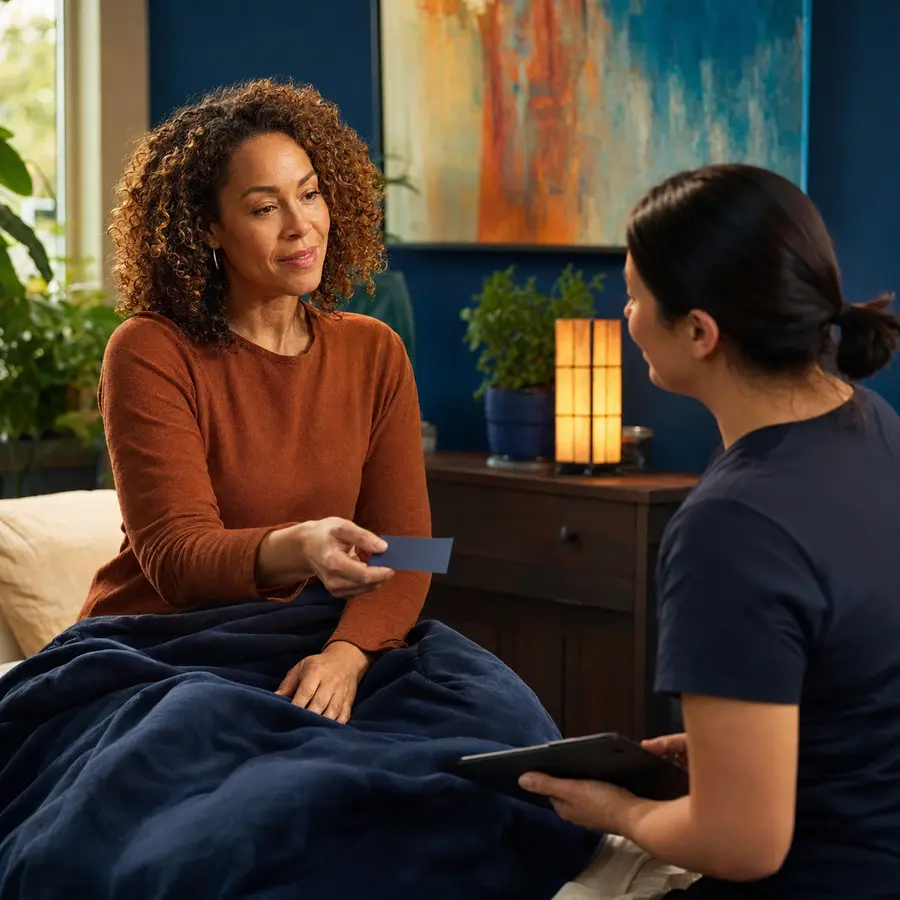
No. Conversation is optional, while safety and comfort communication remain useful throughout the session.
Open guide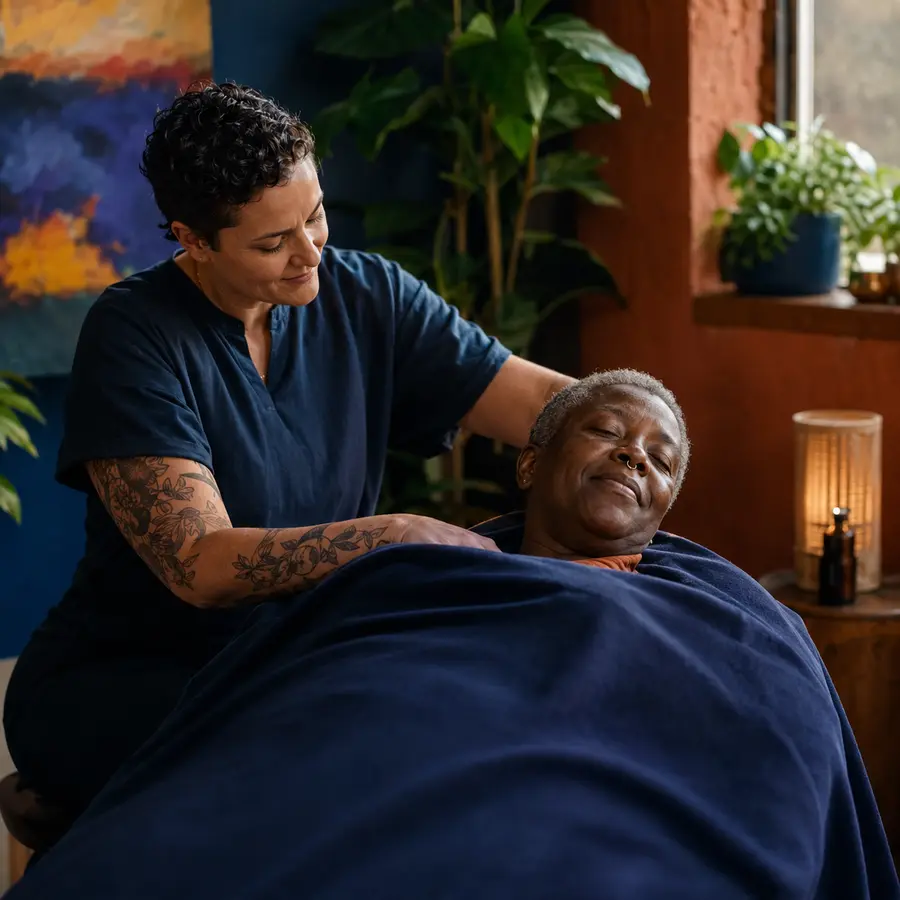
It happens. A professional therapist should handle ordinary sleep sounds without teasing, shaming, or making the moment awkward.
Open guide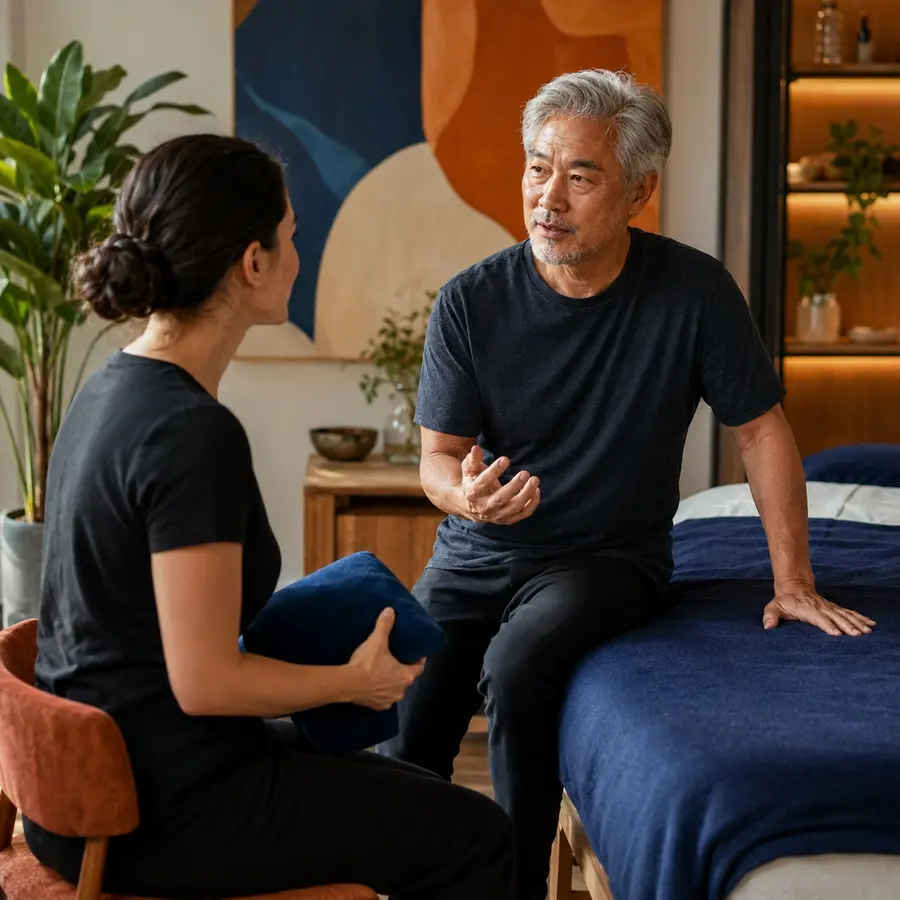
Menstruation alone does not automatically prevent massage, but comfort, symptoms, products, positioning, and health context may change the plan.
Open guide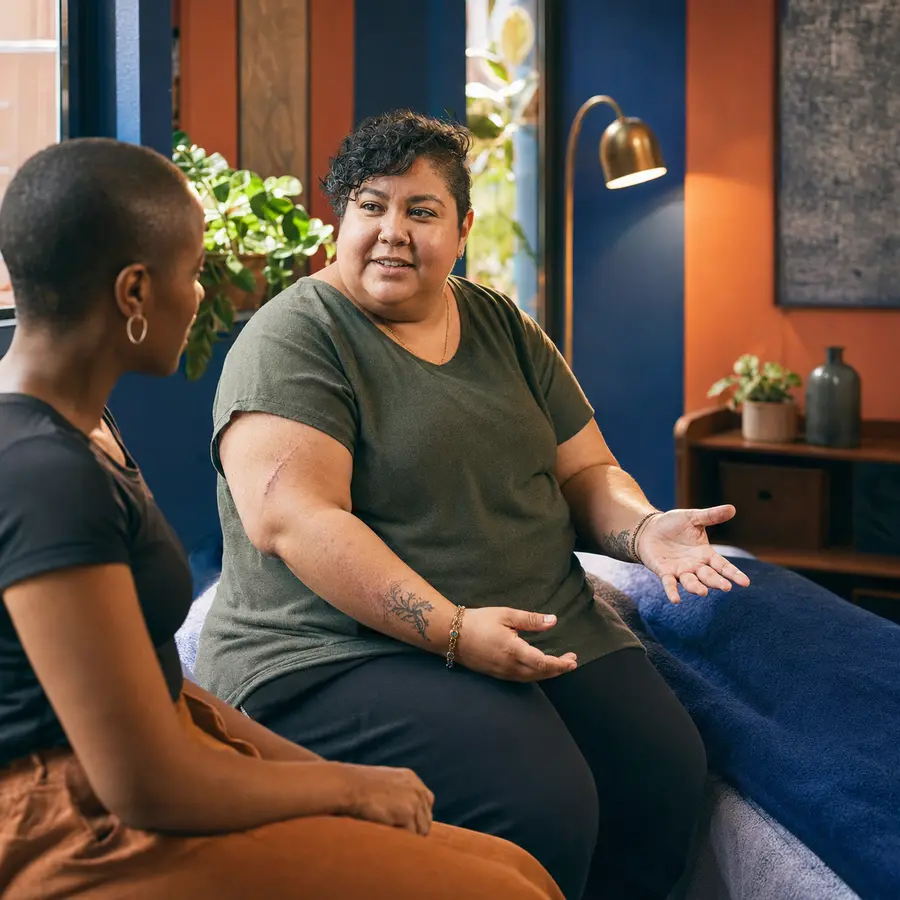
You do not need to shave, hide ordinary body hair, or explain every scar. Relevant skin concerns and tender areas are worth pointing out.
Open guide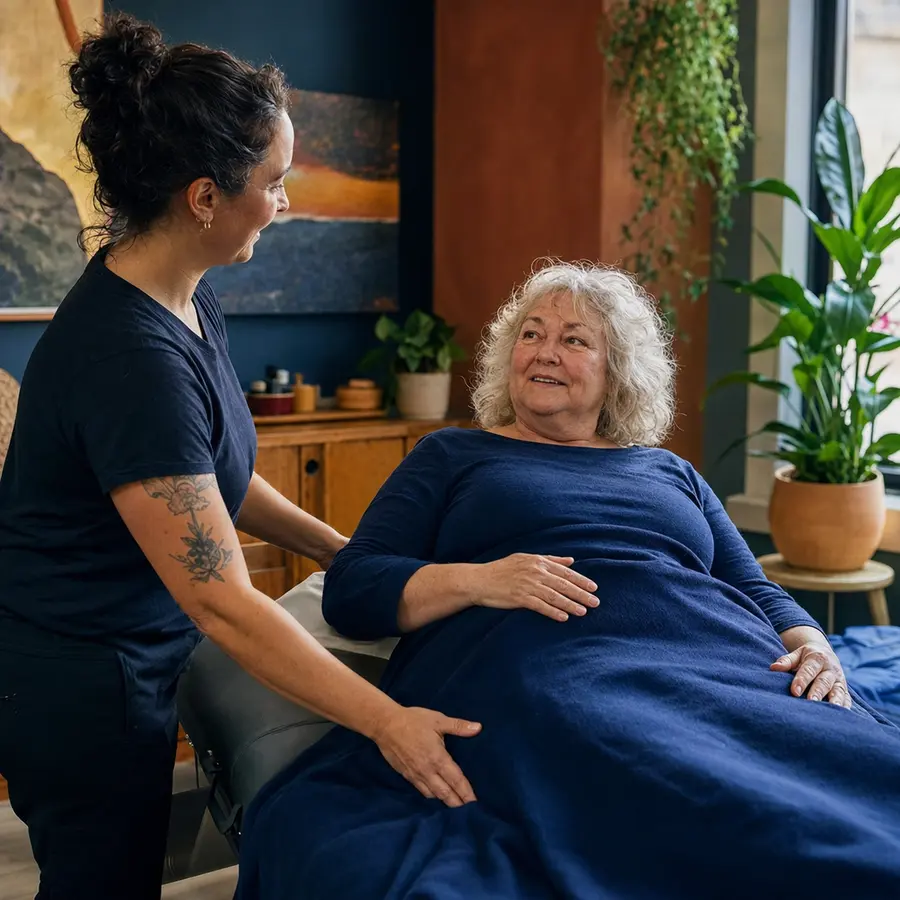
A professional practice should plan for table capacity, positioning, draping, bolsters, mobility, and comfort without making body size a moral issue.
Open guide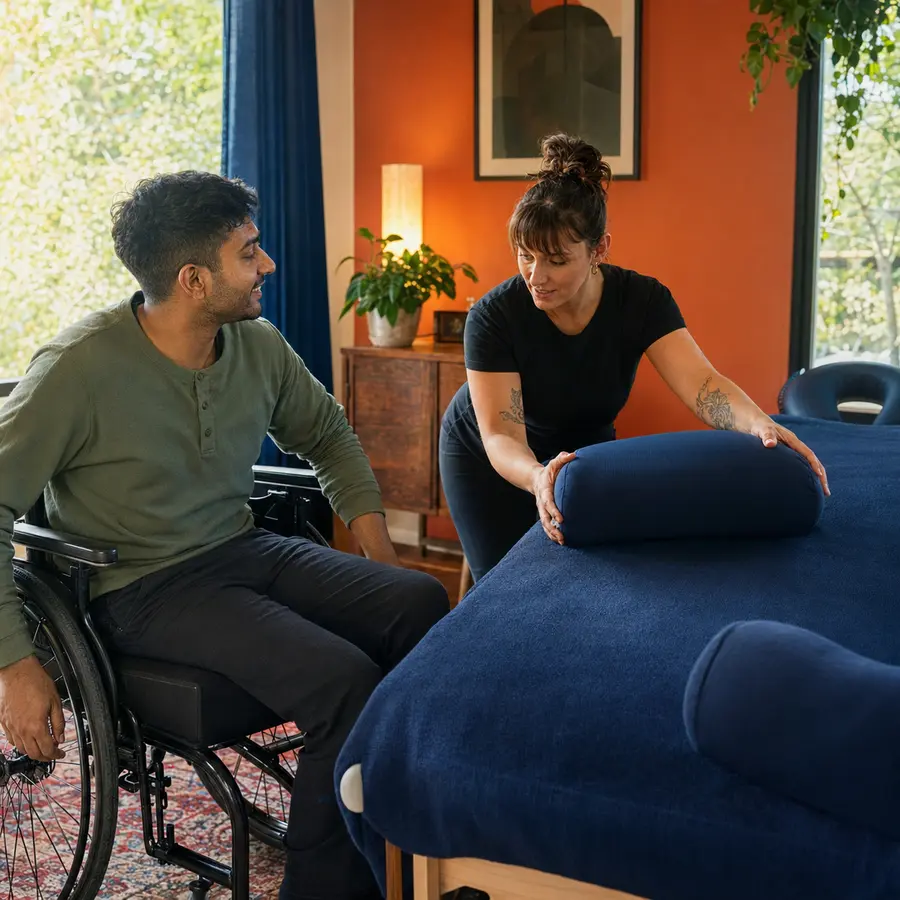
A good session adapts the room, equipment, communication, and position instead of expecting every client to use a standard table setup.
Open guide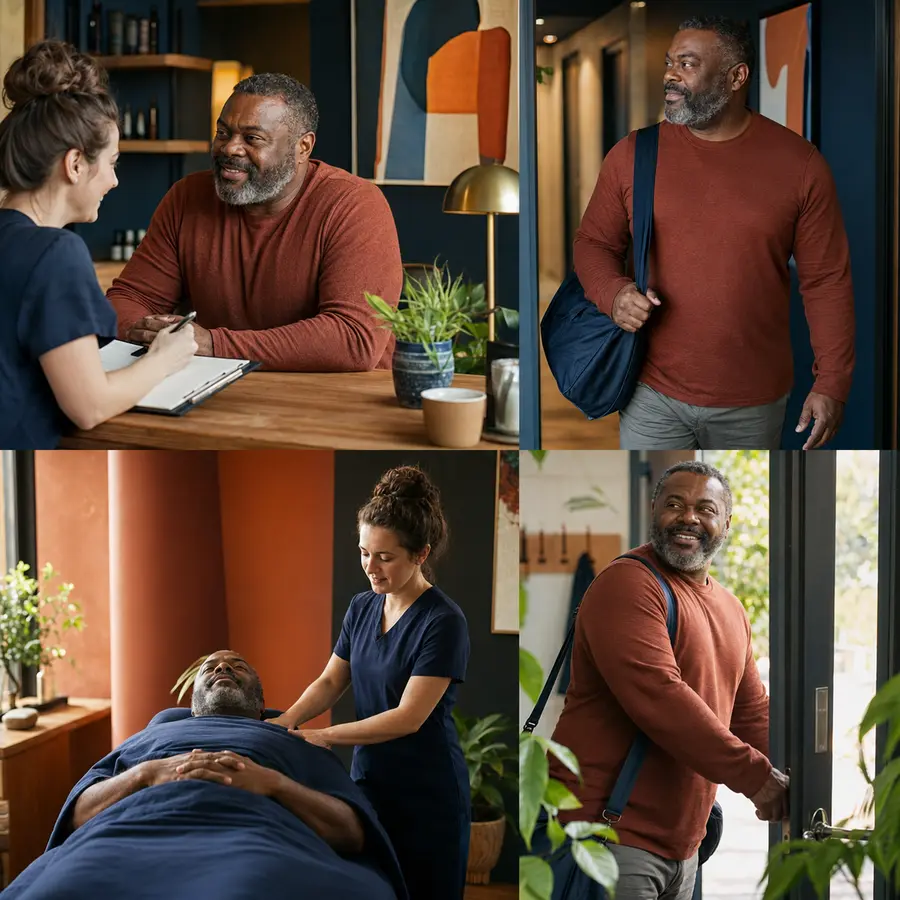
Preview the complete sequence, including the moments most booking pages skip: private changing, re-entry, draping, turning over, and getting dressed.
Open guide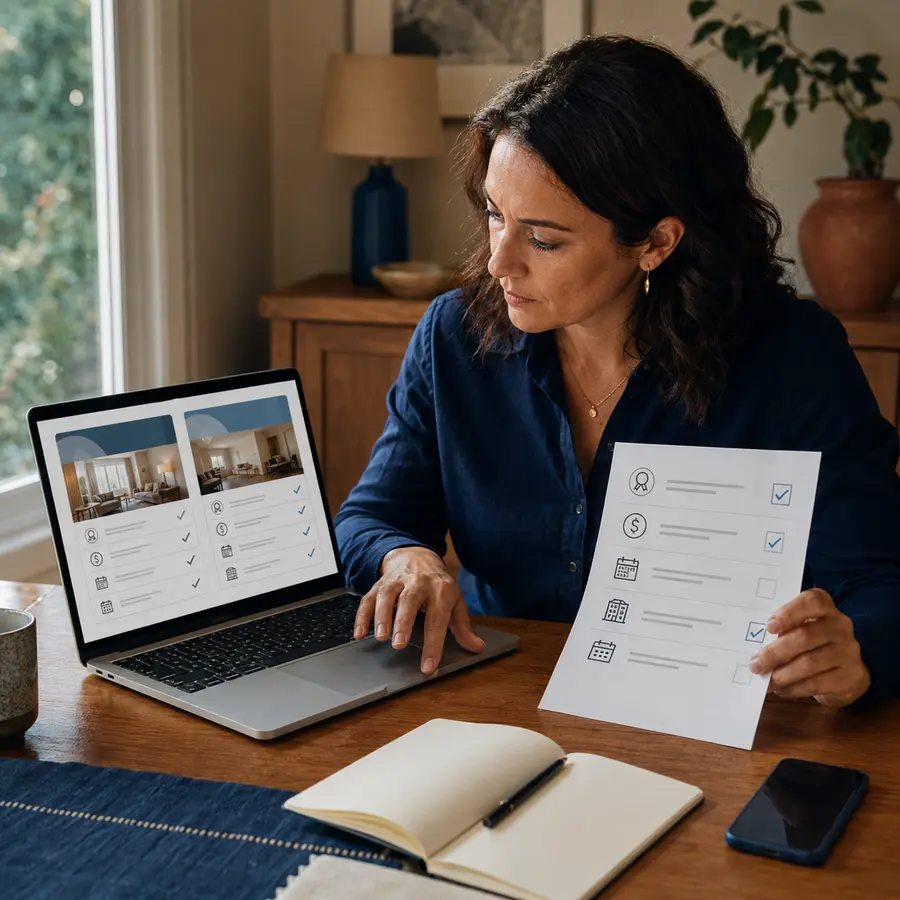
Credentials, clear scope, fit, price, access, boundaries, and complaint pathways matter more than a polished room or vague superlatives.
Open guide
Use the government or regulator lookup for the place where the therapist practices, then match the name and current status.
Open guide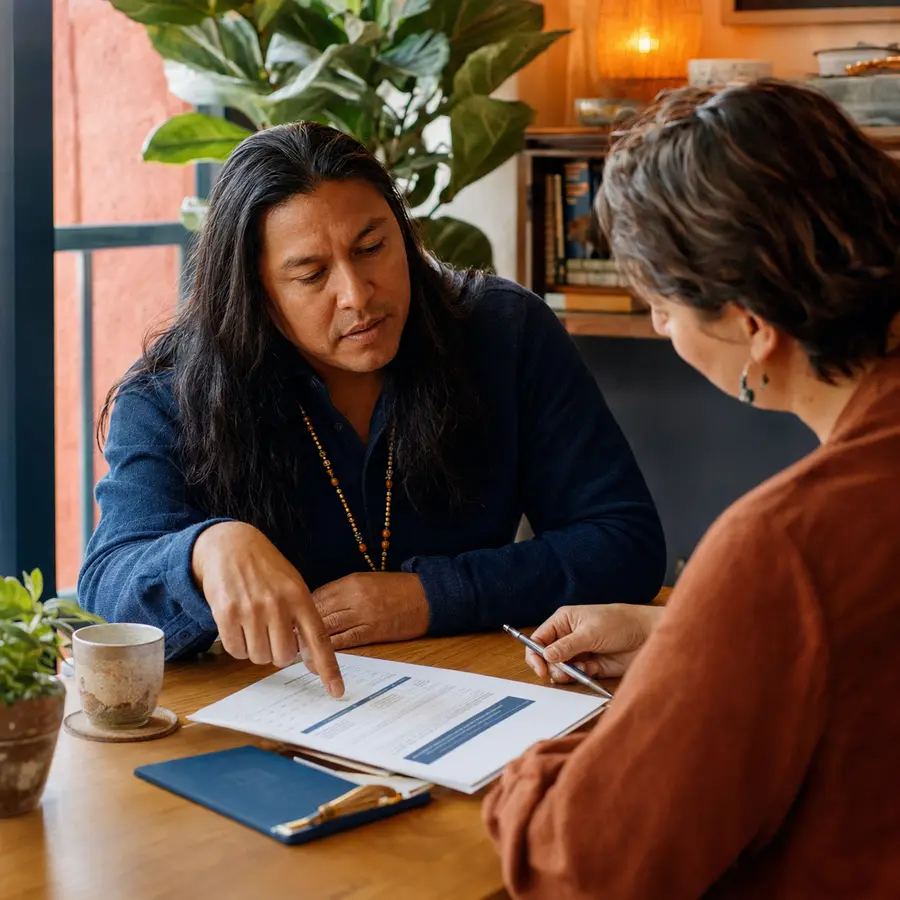
The menu price may not reveal hands-on minutes, gratuity expectations, service charges, upgrades, parking, travel, or cancellation risk.
Open guide
Illness, weather, symptoms, childcare, travel, and changing health needs can make a rigid policy unexpectedly expensive.
Open guide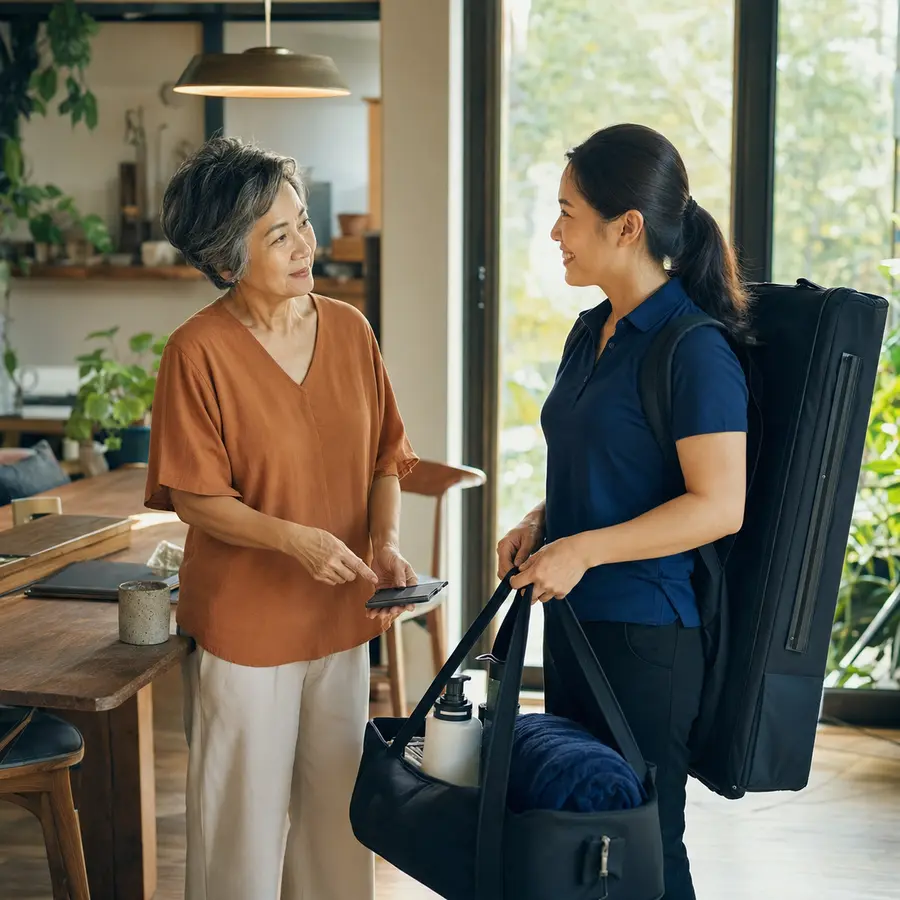
Mobile massage adds address privacy, arrival verification, equipment, setup, pets, household members, parking, and personal-safety questions.
Open guide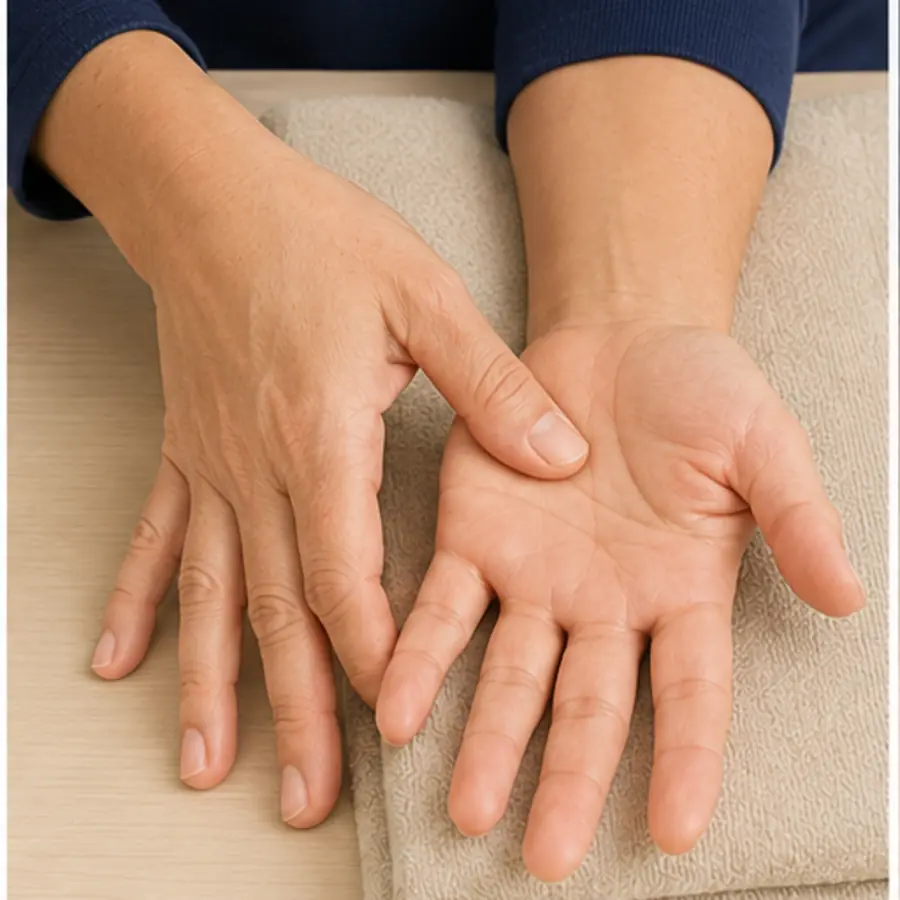
Use broad contact, small movements, and easy pressure for hands tired from typing, tools, instruments, or ordinary daily use.
Open guide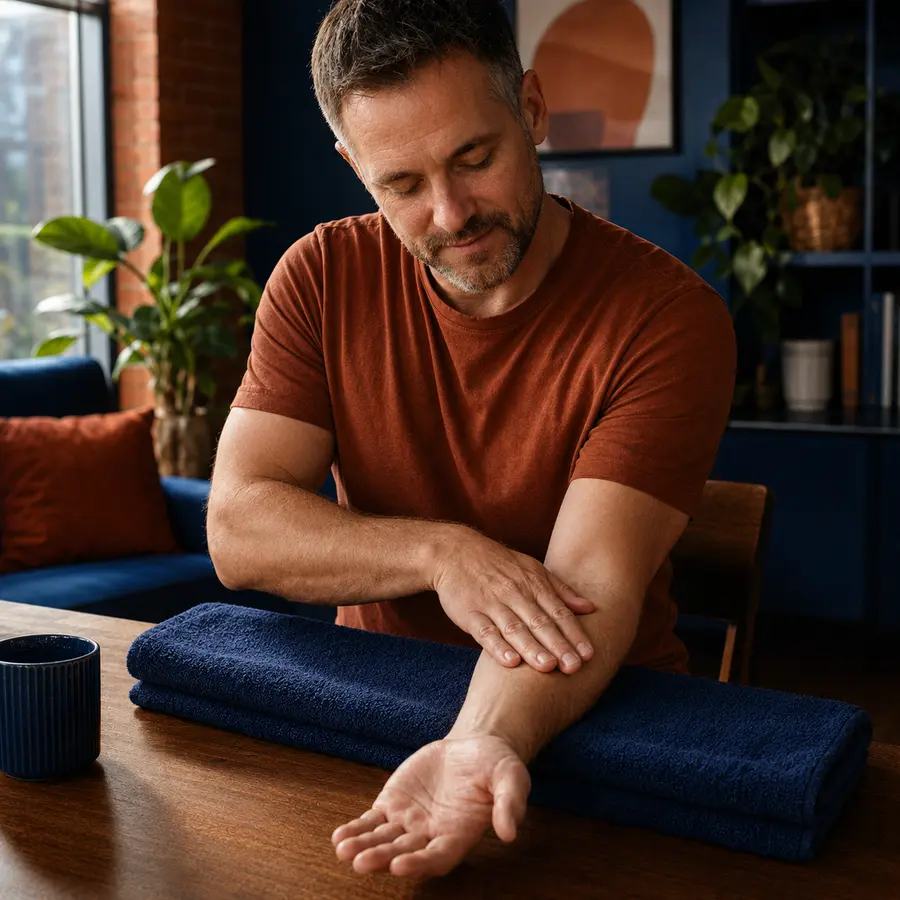
Rest the arm, use the opposite palm, and avoid digging into the elbow crease or chasing tingling down the hand.
Open guide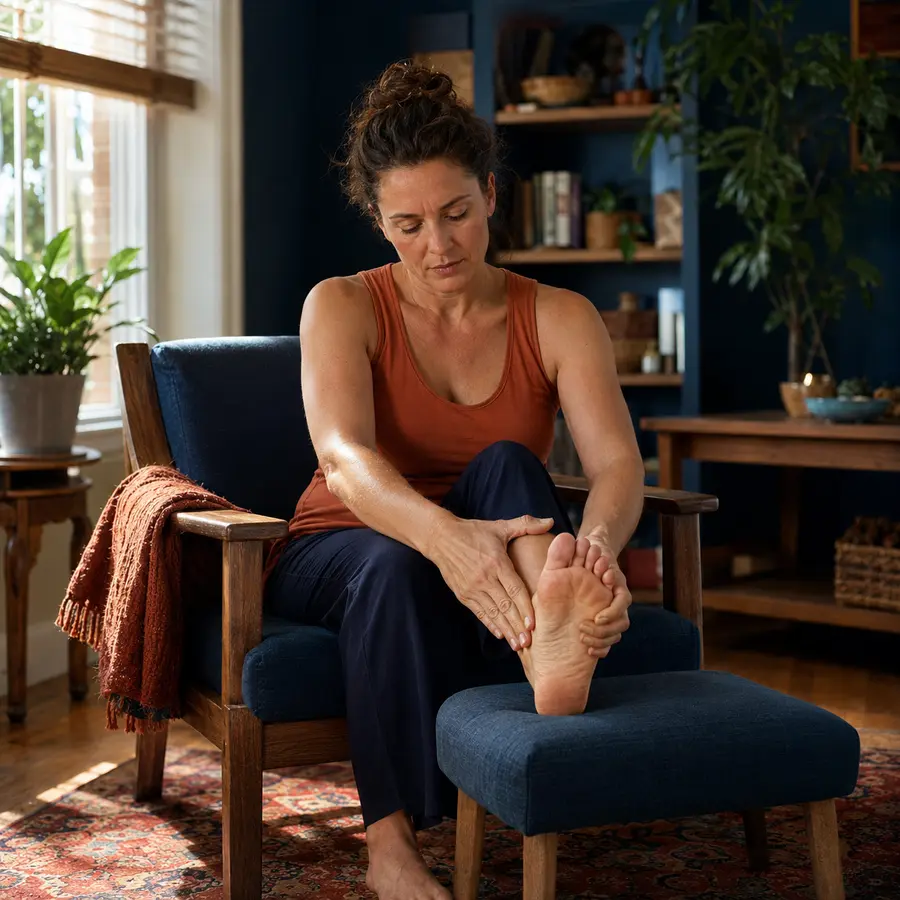
Use a stable chair and your hands before trying a ball. Avoid standing on a tool or applying strong pressure to a painful foot.
Open guide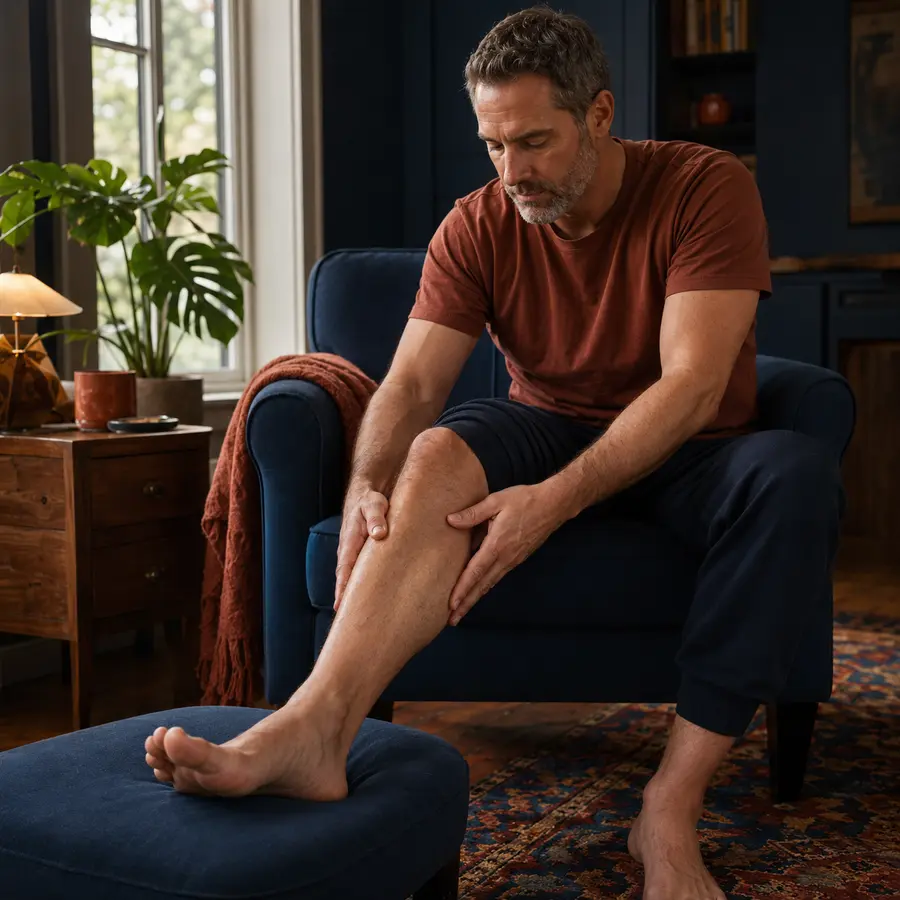
Ordinary muscle fatigue may tolerate broad light pressure. Unexplained one-sided swelling, warmth, redness, or pain requires medical attention, not massage.
Open guide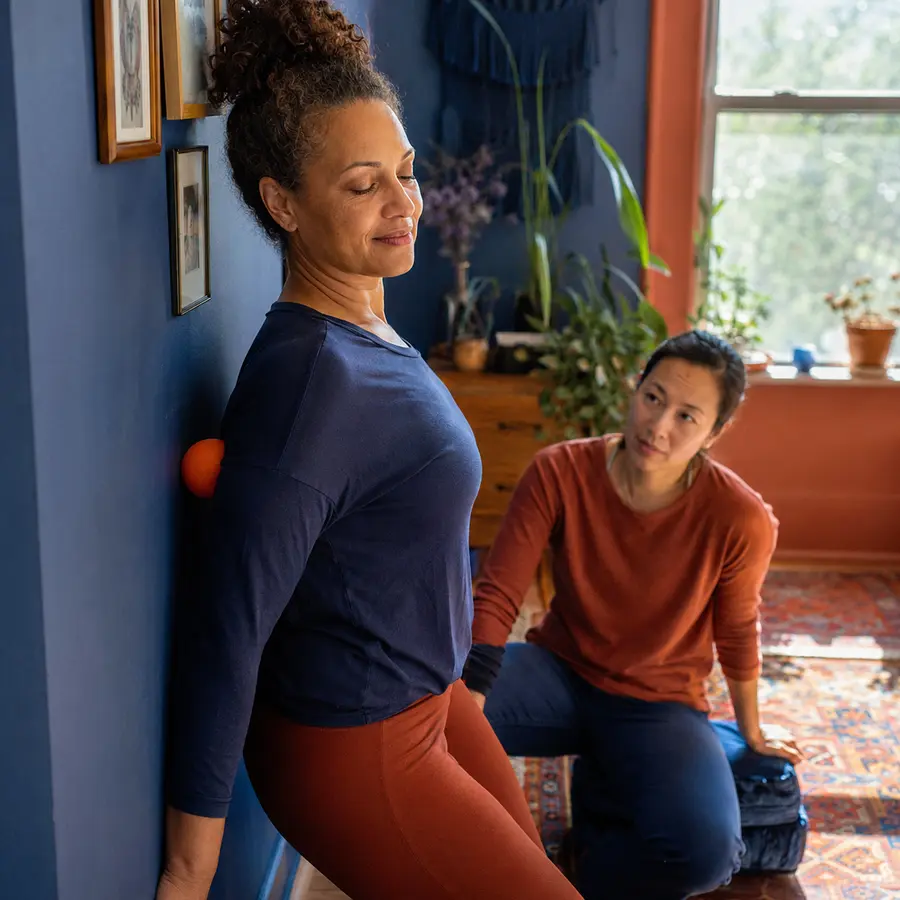
A wall makes pressure easier to control. Keep the ball beside the spine, below the base of the neck, and away from sharp or neurological symptoms.
Open guide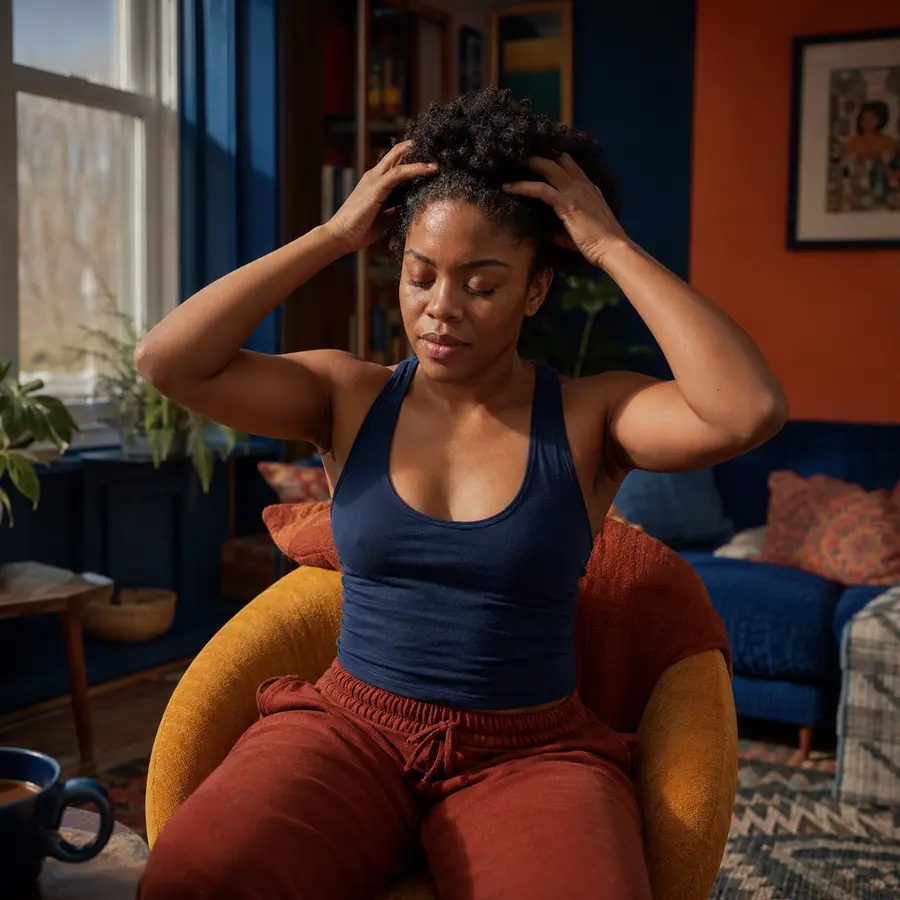
Use finger pads, keep the neck supported, and move the scalp gently instead of scratching or pressing hard through the skull.
Open guide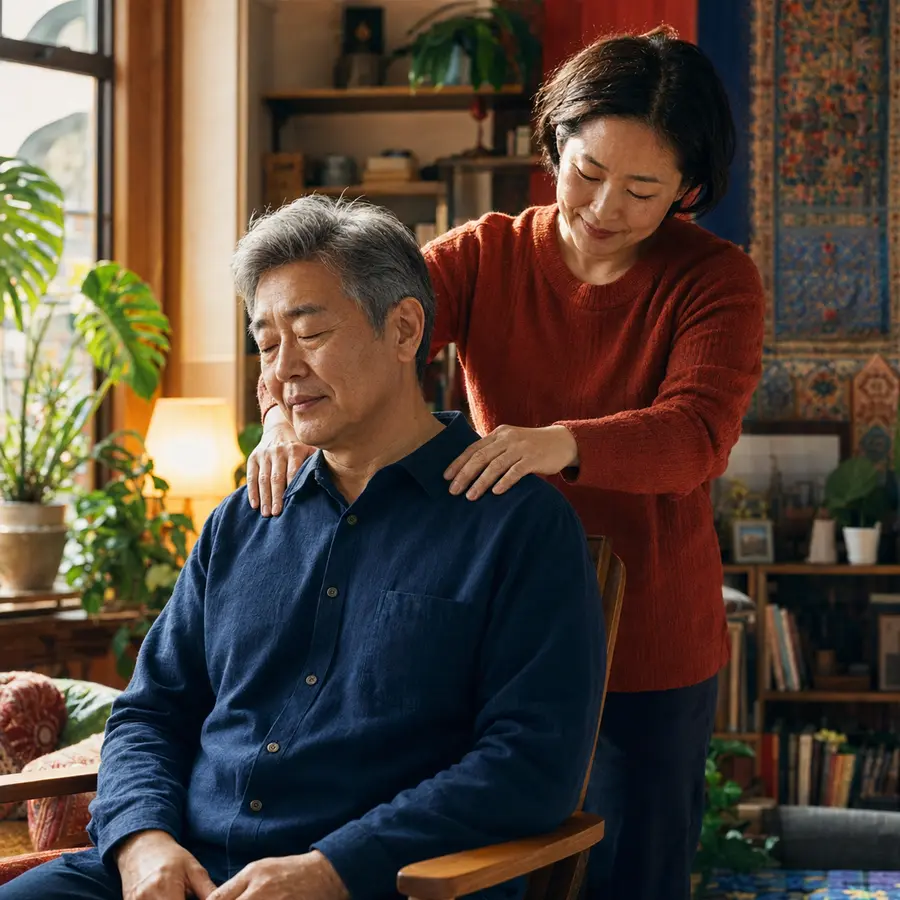
Keep both people fully clothed, use broad hands, avoid the spine and neck, and make pressure changes easy to request.
Open guide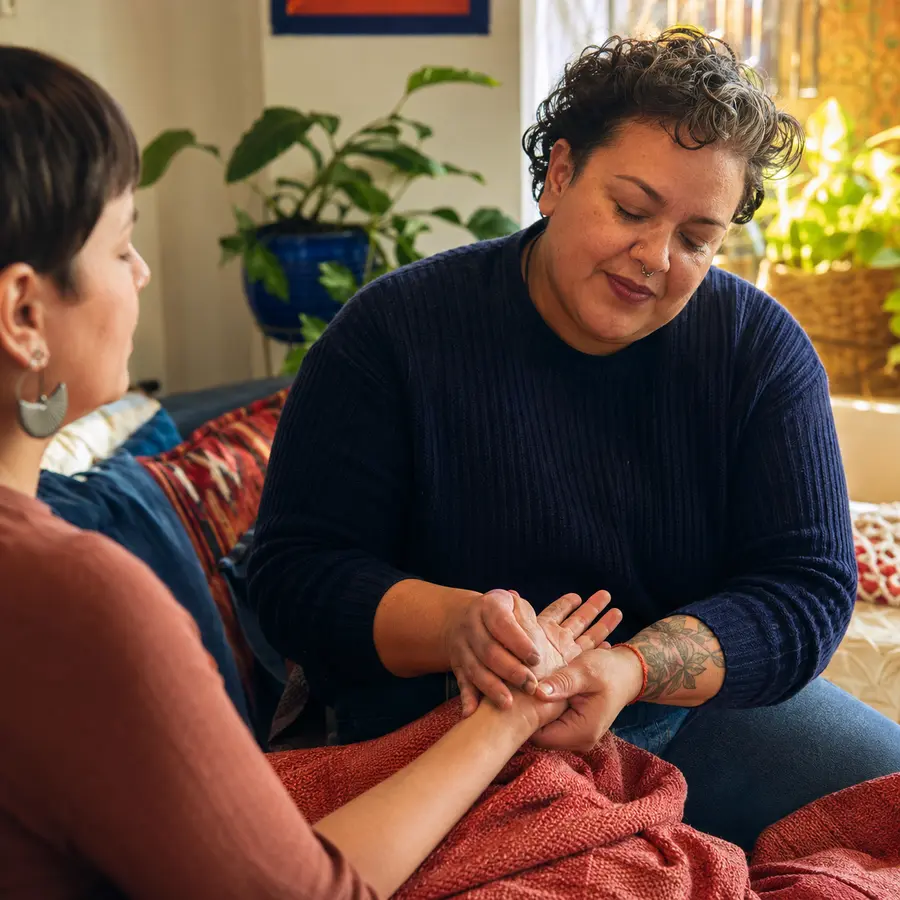
Support the hand, keep the wrist neutral, use broad contact, and never force finger or thumb joints.
Open guide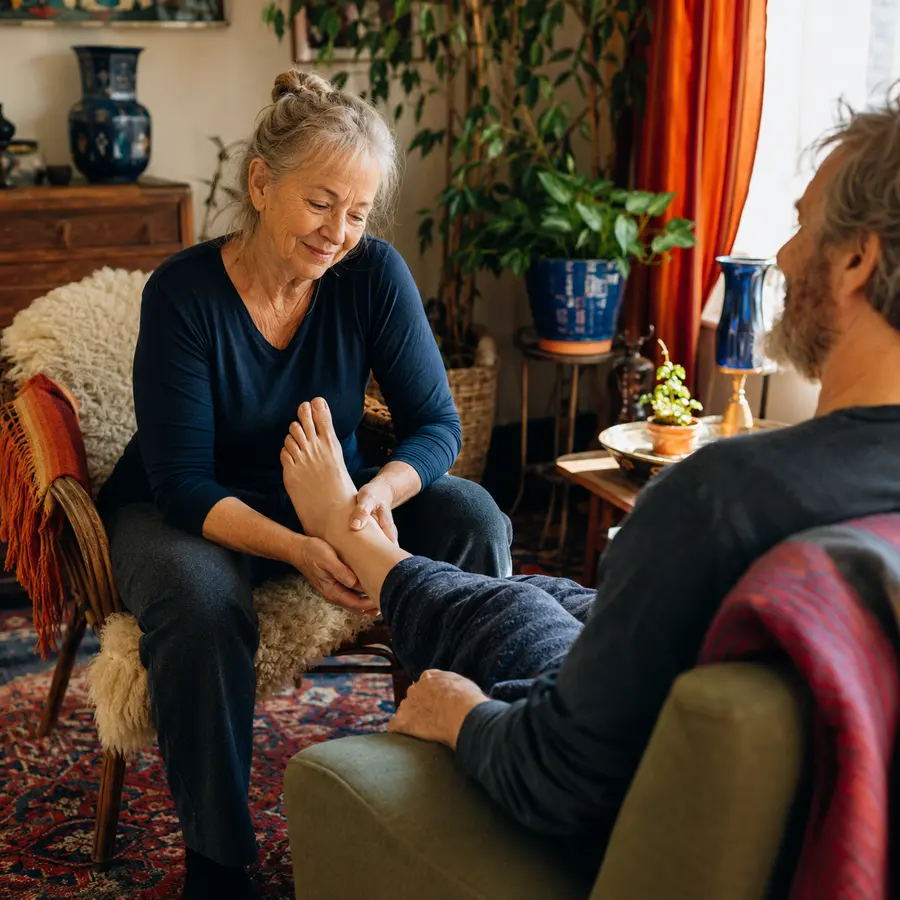
Keep the receiver supported, check skin and sensation, and use broad hands rather than aggressive tools or strong joint movement.
Open guide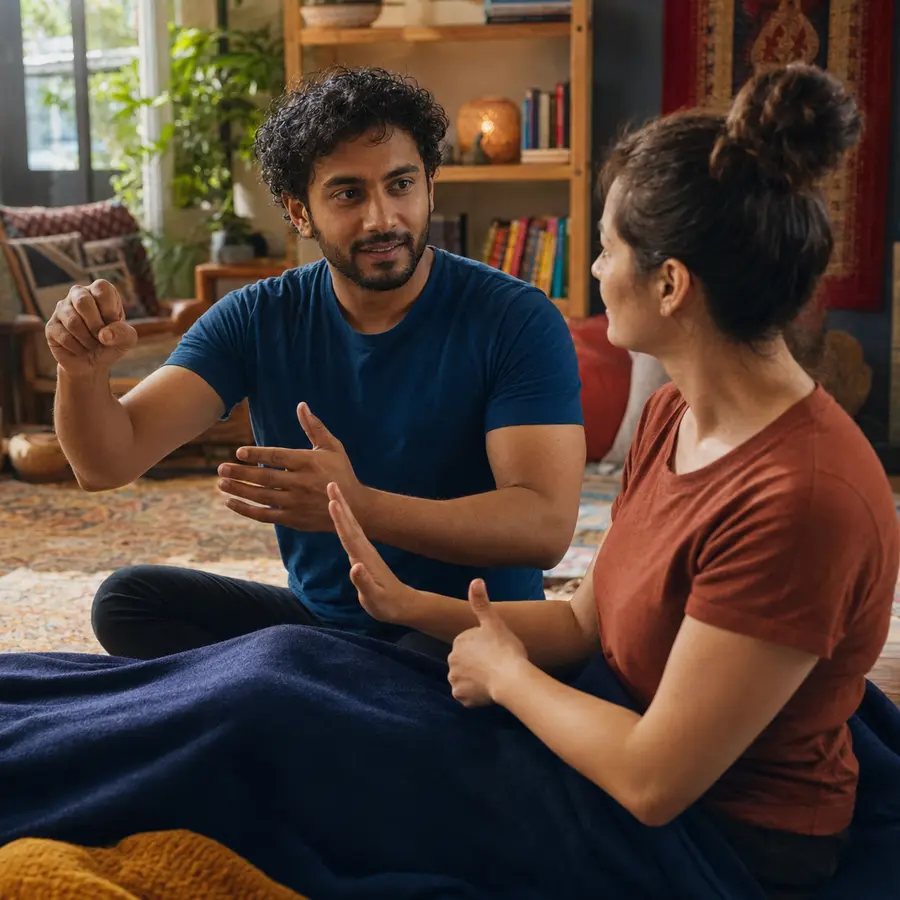
“Good” and “bad” are hard to act on. Use lighter, same, more, move, pause, and stop, plus a nonverbal signal.
Open guide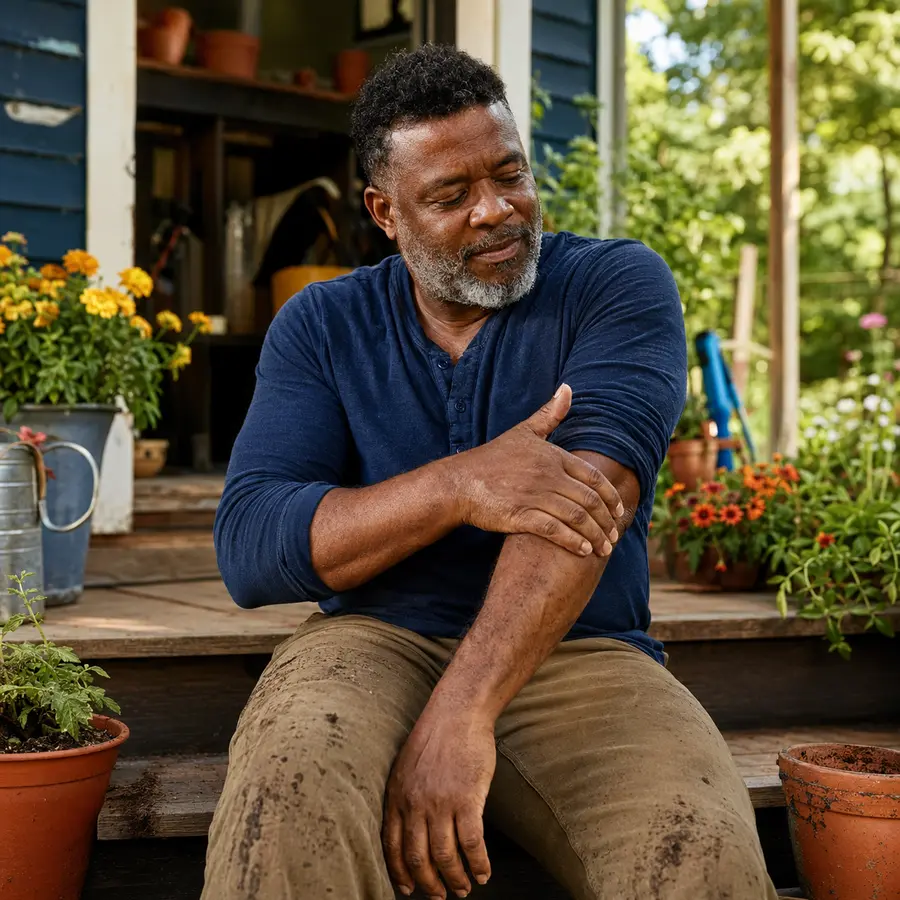
Hands, forearms, calves, and the upper back may feel tired after digging or weeding. Begin with food, water, rest, and movement before pressure.
Open guide
After long sitting, start with walking and circulation awareness. New one-sided calf swelling or shortness of breath is not a self-massage problem.
Open guide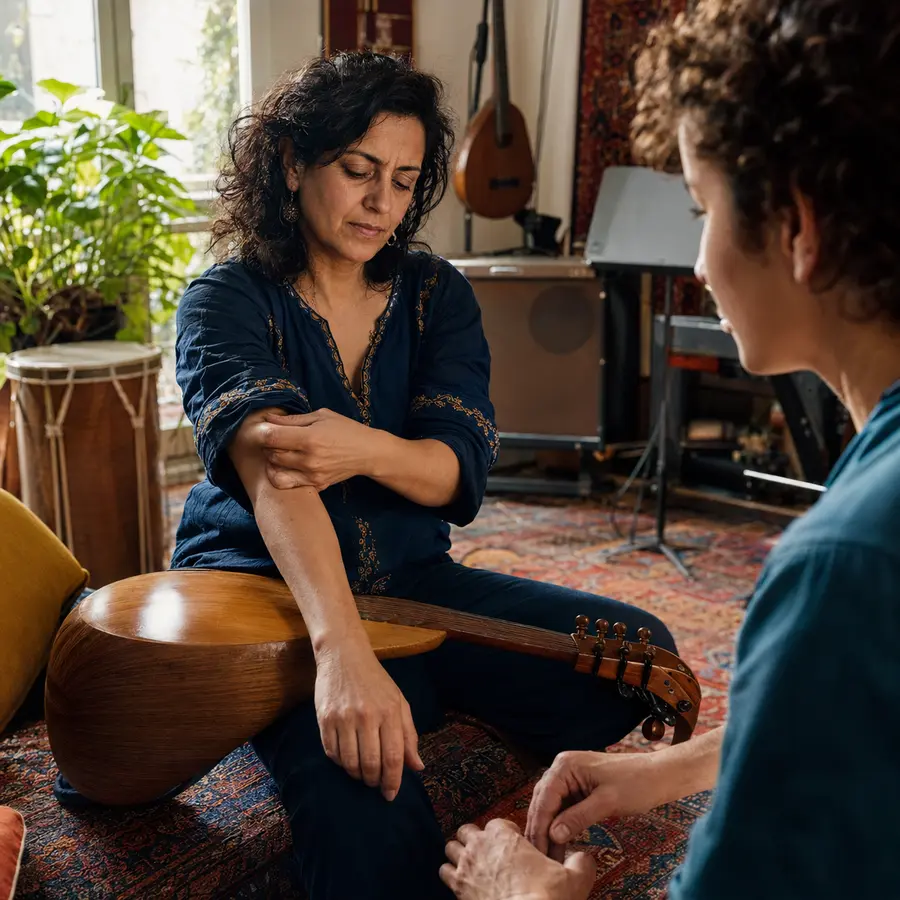
Take the instrument out of your hands, move gently, then use broad pressure without treating numbness, weakness, or loss of control as ordinary fatigue.
Open guide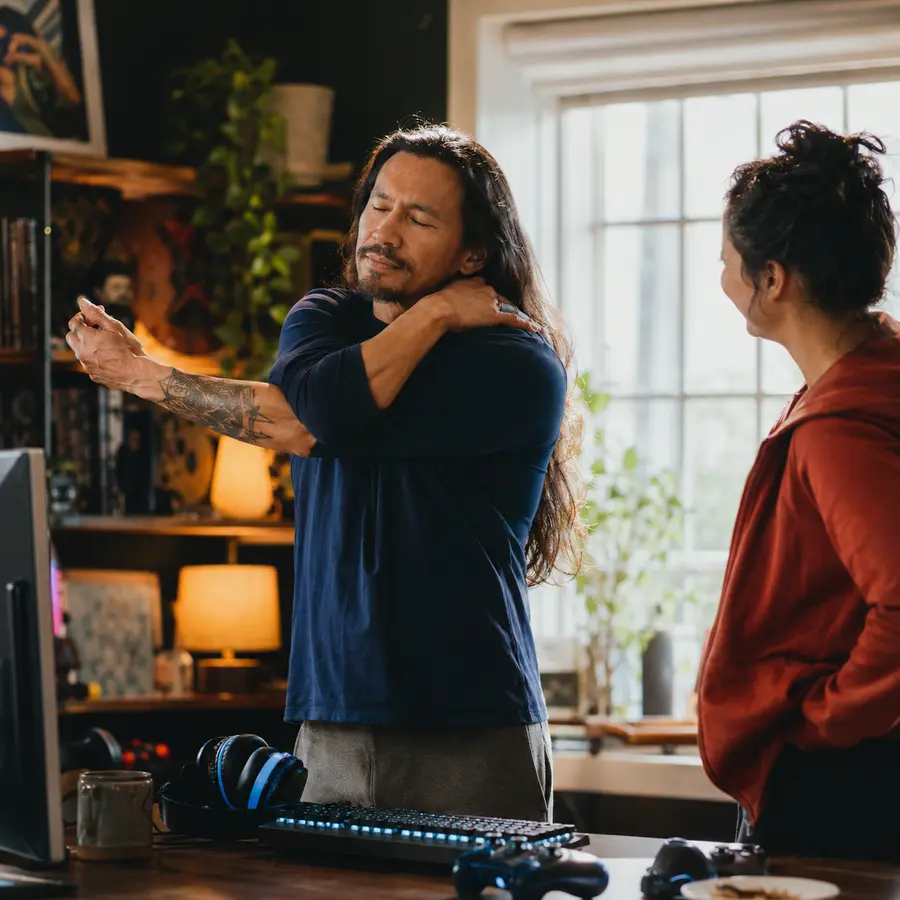
The most useful reset may be leaving the screen, changing posture, moving the hands, and resting the eyes before adding massage.
Open guide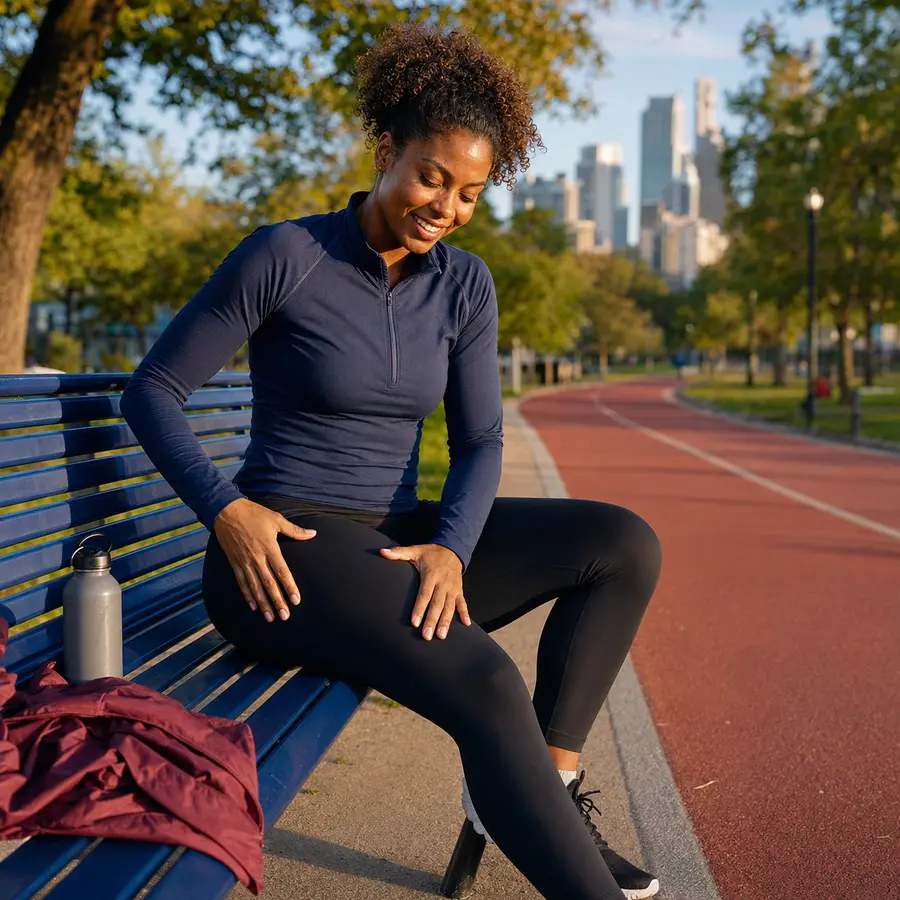
Ordinary muscle fatigue and a possible injury need different responses. Begin with symptoms, walking, food, fluids, and rest.
Open guide
Fever, contagious illness, acute injury, unexplained swelling, clot symptoms, new neurological symptoms, and some procedures or treatments can change the safest next step.
Open guide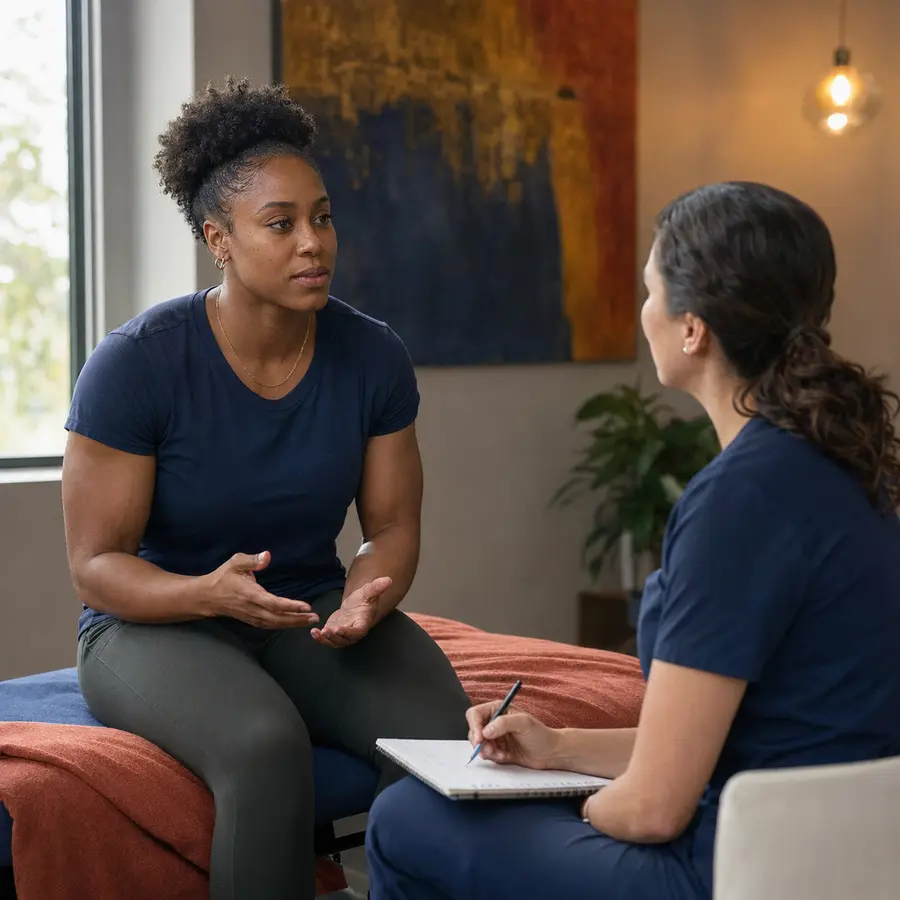
Timing, incision healing, clot risk, infection, medications, positioning, swelling, and procedure-specific restrictions make generic timelines unsafe.
Open guide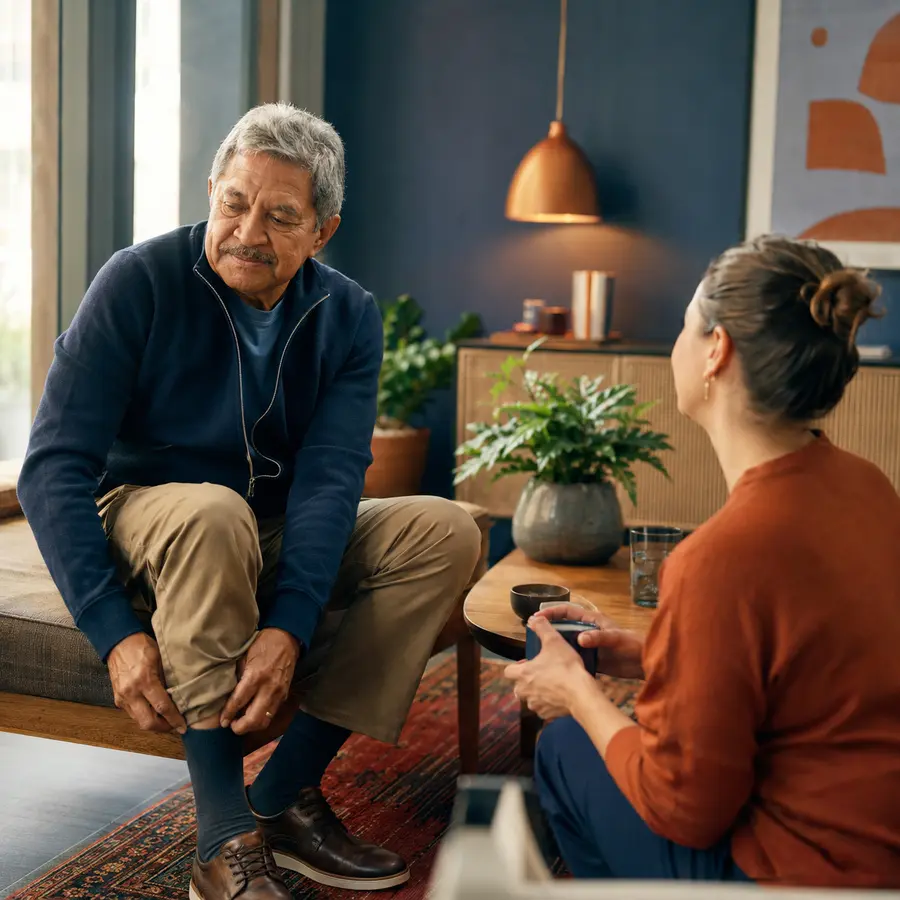
Rest if you want, drink when thirsty, and notice how you feel. You do not need to flush toxins or follow a ritual to make the massage work.
Open guide
Scope, licensing, insurance, taxes, consent, records, safety, cancellation, pricing, accessibility, and referral relationships come before branding.
Open guide
The treatment table is only one part of mobile work. Address screening, arrival verification, parking, setup, laundry, boundaries, travel gaps, and check-in systems shape the business.
Open guide
A course can sound advanced without meeting renewal rules or improving safe client care. Start with the regulator and a clear skill gap.
Open guide
Clear scope, specific experiences, honest uncertainty, transparent credentials, and real service details are stronger than detox, alignment, or guaranteed pain claims.
Open guideUncertain about symptoms?
It cannot diagnose you, but it can identify reasons to postpone massage or contact a healthcare professional first.
Check before massage